
Pramoniniai fermentai mėsos perdirbimo sektoriuje
Kaip veikia mėsos perdirbimo fermentai
Geresnė švelnumo kontrolė
Optimizuokite tekstūrą ir sumažinkite kietumą naudodami kontroliuojamos proteazės mėsos apdorojimo sprendimus raudonai mėsai, paukštienai ir jūros gėrybėms.
Didesnis derliaus atkūrimas
Padidinkite baltymų ekstrakciją ir šalutinių produktų panaudojimą, naudodami tikslingą mėsos ir kolageno srautų fermentinę hidrolizę.
Pastovus fermento aktyvumas
Standartizuoti veiklos vienetai ir partijų bandymai užtikrina nuspėjamą veikimą vykdant didelės apimties mėsos pramonės operacijas.
Mėsos perdirbimo fermentų tipai
Bromelainas
Natūralus augalinės kilmės fermentas, kuris minkština mėsą skaidydamas raumenų baltymus ir kolageno skaidulas.
Neutrali proteazė
Pagerina viso raumens ir restruktūrizuotų mėsos produktų minkštumą, tekstūrą ir vandens sulaikymo gebą.
Šarminė proteazė
Hidrolizuoja mėsos šalutinius produktus ir subproduktus, skirtus baltyminiams miltams, naminių gyvūnėlių ėdalui ir hidrolizatui gaminti.
Lipazė
Kontroliuojama riebalų hidrolizė sukuria skonio junginius vytintoje mėsoje ir fermentuotose dešrose.
Tripsinas
Virškina kolageno ir jungiamojo audinio baltymus, kad mėsa būtų restruktūrizuota ir efektyviai atgautų baltymus.
Meat Processing Enzyme Guide: Functions, Application Rate & Applications
Bromelainas
Mėsos minkštinimas per miofibrilinių baltymų hidrolizę
Funkcija: Bromelainas yra cisteino proteazė, išgaunama iš ananaso stiebo, kuri geriausiai skaldo mioziną, kolageną ir jungiamojo audinio baltymus. Skirtingai nuo terminio minkštinimo, bromelainas veikia atšaldytoje temperatūroje (4-25 °C), todėl gali veikti marinuojant ar sūrymuojant mėsą jos nekepinant. Jis veikia miofibrilinių baltymų (aktino, miozino) ir jungiamojo audinio baltymus, todėl pastebimai pagerina šlyties jėgos reikšmes.
Typical application rate: 10–100 ppm (mg/kg) of meat weight. Activity: 100,000–600,000 GDU/g or 50,000–300,000 MCU/g. Lower application rate (10–30 ppm) for controlled tenderizing of premium cuts; higher application rate (50–100 ppm) for tenderizing tougher cuts or restructured meat products. Contact time: 30 minutes–4 hours at 2–8°C.
Programos: Kepsnių ir kotletų minkštinimas (marinatai, injekcijos, drumzlinimas), restruktūrizuoti mėsos produktai, naminių gyvūnėlių maisto baltymų hidrolizė, porcijų kontrolės porcijų gerinimas. Plačiai naudojamas viešbučių ir maitinimo paslaugų tiekimo grandinėse.
Parduotuvė dideliais kiekiais: Bulk Bromelain — 1,000–3,000 GDU/g for meat & food processing →
Neutrali proteazė
Kontroliuojama proteolizė senėjimo modeliavimui ir skonio kūrimui
Funkcija: Neutrali proteazė hidrolizuoja raumenų baltymus esant neutraliam pH (6,0-7,5) ir pasižymi vidutiniu aktyvumu, imituodama natūralią sauso senėjimo endogeninių fermentų (kalpainų) proteolizę. Ji išskiria umami poveikį turinčius peptidus ir aminorūgštis (glutamatą, IMP pirmtakus), tuo pat metu sumažindama su šarminėmis proteazėmis susijusių karčiųjų peptidų kiekį.
Typical application rate: 0.005–0.02% w/w of meat weight. Activity: 50,000–400,000 U/g. Inject or tumble into meat at 2–8°C; contact time 2–12 hours. Enzyme is inactivated by cooking (>70°C). Lower application rate for subtle flavor enhancement; higher application rate for accelerated aging or protein hydrolyzate production.
Programos: Pagreitinto sauso brandinimo modeliavimas šlapio brandinimo jautienoje, vytinta ir fermentuota mėsa, mėsos baltymų hidrolizatai atsargoms ir (arba) skoniui pagerinti, mėsos pagrindo gyvūnų augintinių ėdalo skonio gerinimas.
Parduotuvė dideliais kiekiais: Neutrali, šarminė ir rūgštinė proteazė, skirta mėsos perdirbimui →
Šarminė proteazė
Agresyvi baltymų hidrolizė regeneracijai ir hidrolizato gamybai
Funkcija: Alkaline protease operates at pH 7.5–11.0 and produces more aggressive, complete protein hydrolysis than neutral protease. It is preferred for collagen hydrolysis, mechanical deboning residue recovery, and production of functional meat protein concentrates. Less suitable for whole-muscle tenderizing due to bitterness potential at high application rate.
Typical application rate: 0,01-0,05% m/m substrato. Aktyvumas: 100 000-800 000 U/g. Optimali temperatūra: 40-55°C. Kad aktyvumas būtų optimalus, sureguliuokite pH 7,5-9,0. Inaktyvuokite sumažindami pH žemiau 4,5 arba kaitindami iki >80 °C.
Programos: Mechaninis iškaulinėjimo liekanų (MDR) perdirbimas, kolageno hidrolizato gamyba (želatinos alternatyvoms), žuvies padažo ir krevečių pastos greitinimas, šalutinių gyvūninių produktų valorizavimas, naminių gyvūnėlių ėdalo ingredientų gamyba.
Lipazė
Riebalų hidrolizė aromato kūrimui ir lydytų riebalų apdorojimui
Funkcija: Lipazė hidrolizuoja mėsos ir gyvūnų riebalų trigliceridus į laisvąsias riebalų rūgštis, monogliceridus ir glicerolį. Sūdytoje ir fermentuotoje mėsoje (saliamio, prosciutto) dėl kontroliuojamos lipolizės susidaro aromatiniai junginiai. Perdirbant lydytus riebalus, lipazė gali keisti riebalų rūgščių profilį arba gaminti dalinius gliceridus, skirtus emulsinti maisto produktus.
Typical application rate: 0,01-0,1% m/m riebalų substrato. Aktyvumas: 10 000-100 000 LU/g. Optimali temperatūra: 30-45°C. Neaktyvuojamas karščiuojant >65°C.
Programos: Fermentuotos mėsos skonio kūrimas (vytintos dešros, saliamio), lydytų gyvūninių riebalų modifikavimas, lašinių dalinė hidrolizė, mėsos prieskonių skonio junginių gamyba.
Parduotuvė dideliais kiekiais: Lipazė "Bulk Lipase" - lipazė, skirta riebalų modifikavimui sūdytoje ir fermentuotoje mėsoje →
Tripsinas
Specifinė serino proteazė baltymų virškinimui ir tyrimams
Funkcija: Trypsin is a serine endopeptidase that cleaves peptide bonds specifically at the C-terminal side of lysine and arginine residues. In meat processing, it is used for controlled functional protein modification and for production of functional peptides with specific cleavage patterns. Also used in research-grade protein digestion and research applications.
Typical application rate: 0,001-0,05% m/m baltyminio substrato. Aktyvumas: 1 000-10 000 BAEE vienetų/mg. Optimali temperatūra: 37 °C, pH 7,5-8,5. Inaktyvuojamas serino proteazės inhibitoriais arba karščiu.
Programos: Functional peptide production from muscle proteins, research-grade protein digestion, research-grade collagen hydrolyzate production, laboratory protein processing (laboratory grade available).
Mūsų mėsos perdirbimo fermentų produktai
-

-
 Mėsos perdirbimo fermentai
Kolageno proteazė Žuvies odos Karvės odos apdorojimas Biologinis fermentas Kolageno hidrolizė
US$129.99 Pirkti dabar -
 Mėsos perdirbimo fermentai
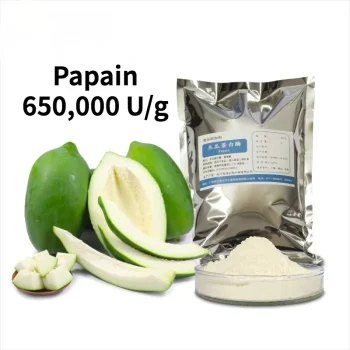
Papainas 650 000 V/g Kiaulės odos žuvies kolageno hidrolazės fermentas
US$111.99 Pirkti dabar -
-
Kodėl verta rinktis enzymes.bio mėsos perdirbimo fermentus?
Mažas MOQ nuo 1 kg
Lankstūs užsakymų kiekiai mokslinių tyrimų ir plėtros pavyzdžiams arba visoms gamybos serijoms. Didinkite apimtis, kai būsite pasiruošę.
Galimi pasirinktiniai mišiniai
Reikia konkretaus fermentų santykio arba kelių fermentų komplekso? Mūsų komanda ruošia specialiai jūsų procesui pritaikytus mišinius.
Visuotinis pristatymas
"DHL", "FedEx" ir USPS siuntų pristatymas į daugiau nei 180 šalių. Temperatūrai jautrių fermentų siuntimas šaltąja grandine.
Techninis palaikymas
Application guidance and application rate recommendations from our enzyme specialists.