
Bulk Phytase Enzyme Supplier
How Phytase Works
Breaks Down Phytate
Phytase cleaves phosphate groups from phytic acid, releasing inorganic phosphate directly available for absorption. Monogastric animals (poultry, swine) lack endogenous phytase and cannot utilize phytate-bound phosphorus without supplementation.
Releases Bound Minerals
Phytic acid chelates calcium, zinc, iron, and manganese, reducing their bioavailability. Phytase hydrolysis releases these minerals, improving overall nutrient utilization and reducing the need for inorganic mineral premixes.
Thermostable for Pelleting
Thermostable phytase grades retain activity after pelleting at 75–85°C conditioning temperatures. Critical for feed mills producing pelleted compound feeds where enzyme activity must survive the manufacturing process.
Phytase Applications by Industry
Poultry Feed
Standard phytase in broiler and layer diets reduces inorganic phosphate (dicalcium phosphate) supplementation by 60–80%, cuts feed costs, and reduces phosphorus excretion by 25–40% — a major environmental benefit.
Swine Feed
Improves available phosphorus in corn-soy diets for growing pigs and sows. Enables reduction of inorganic phosphate supplements. Also improves calcium, zinc, and iron availability, supporting bone development and immunity.
Ruminant & Aquaculture
Used in premix and concentrate formulations for dairy cattle and in aquaculture feeds where plant-based ingredients provide high phytate loads. Supports phosphorus reduction strategies in intensive farming.
Pemprosesan Makanan
Food-grade phytase reduces phytic acid in grain and legume-based products (bread, soy milk, cereals), improving mineral bioavailability and supporting nutritional optimization of plant-based diets.
Premix Manufacturing
Supplied to premix manufacturers and feed mills in bulk for integration into mineral-vitamin premixes and complete feed formulations. Consistent FTU/U activity and uniform powder dispersion for precise dosing.
Phytase Applications: Process Details, Dosage & Parameters
Poultry Feed
Broiler & Layer | Phosphorus Bioavailability
Fungsi: Phytic acid (myo-inositol hexaphosphate) binds 60–80% of phosphorus in plant-based feedstuffs (soy, corn, wheat) in a form unavailable to monogastric animals. Exogenous 6-phytase releases inorganic phosphate from phytate, replacing inorganic phosphate supplementation. Each 500 FTU/kg reduces inorganic P inclusion by ~1 g/kg, cutting feed cost and manure phosphorus excretion.
Dos biasa: 500–1,000 FTU/kg (FTU = phytase units); thermostable grade mandatory for pelleting (≥85°C, 30 s); verify post-pelleting activity
Aplikasi: Broiler starter/grower/finisher, layer hen feed, turkey feed, duck feed — all corn-soy matrix formulations.
Swine Feed
Pig | Phosphorus & Anti-Nutrition Reduction
Fungsi: Phytase is even more commercially significant in swine than poultry because swine consume more feed per kg gain. Phytase liberates phosphorus and also reduces phytate anti-nutritional effects — phytate chelates zinc, calcium, and iron, reducing their bioavailability. Phytase supplementation improves mineral absorption beyond phosphorus alone.
Dos biasa: 500–2,000 FTU/kg; pre-starter and starter diets benefit most; combine with xylanase and protease for maximum matrix value
Aplikasi: Piglet pre-starter, nursery, grower, and finisher feeds; sow gestation and lactation diets; corn-soy and wheat-based diets.
Ruminant & Aquaculture Feed
Ruminants & Fish | Supplemental Phytase Application
Fungsi: Ruminants have intrinsic phytase activity in the rumen, but supplemental phytase in dairy cow diets (particularly high-production herds) still improves phosphorus efficiency and reduces fecal P output. In aquaculture, where plant proteins (soy, canola) are replacing fish meal, phytase is essential for phosphorus availability in non-ruminant fish and shrimp.
Dos biasa: 500–1,000 FTU/kg; aquafeed phytase must withstand extrusion processing (≥120°C) — microencapsulated grades preferred
Aplikasi: Dairy cow TMR diets, beef cattle feedlot feeds, salmonid and tilapia aquafeeds, shrimp compound diets, soy-heavy plant-protein aquafeed.
Panduan berkaitan: Fish Processing Enzymes — protease, phytase & aquaculture feed guide →
Pemprosesan Makanan
Food Manufacturing | Phytic Acid Reduction in Cereals
Fungsi: Phytic acid in cereals and legumes reduces zinc, iron, and calcium bioavailability in human foods — a major concern for plant-based diets and infant nutrition. Food-grade phytase treatment of whole grain flour, soaked legumes, or cereal porridges reduces phytic acid by 40–90%, significantly improving mineral bioavailability.
Dos biasa: 0.01–0.05% w/w; 37–55°C; pH 4.5–6; 30–120 minutes; soaking water treatment or enzymatic processing
Aplikasi: Whole grain flour mineral fortification, legume processing, infant cereal mineral bioavailability improvement, plant-based food mineral enhancement.
Feed Premix Manufacturing
Premix Industry | Enzyme Blending & Stability
Fungsi: Phytase is the highest-volume feed enzyme globally and is typically included in multi-enzyme premix products. Critical requirements for premix use: stability in premix matrix (vitamin/mineral/enzyme interactions), granule flowability, dust-free formulation, and activity guarantee through premix shelf life (6–12 months).
Dos biasa: Pre-formulated at 5,000–10,000 FTU/g in granule form; inclusion in premix at 100–200 g/MT feed; guaranteed activity to 12 months
Aplikasi: Commercial feed premix production, integrator multi-enzyme programs, contract feed enzyme supply, global feed additive distribution.
Phytase Products Available Now
-
Jualan!
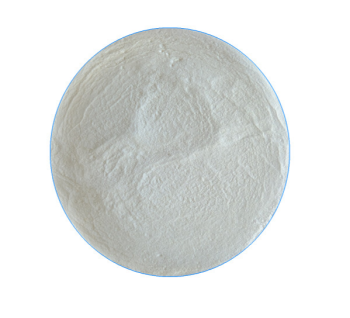 Enzim Gred Makanan
Serbuk Enzim Fitase Gred Makanan 100,000 U/g CAS 37288-11-2
$120.00Harga asal ialah: $120.00.$99.00Harga semasa ialah: $99.00. Belian -
Jualan!
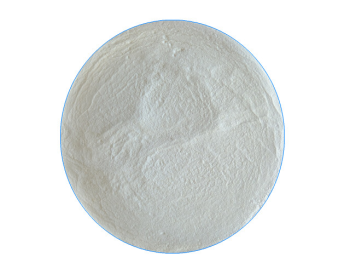 Fitase
Enzim Phytase Termotable Untuk Makanan Haiwan CAS 37288-11-2
$88.00Harga asal ialah: $88.00.$79.99Harga semasa ialah: $79.99. Belian -
Jualan!
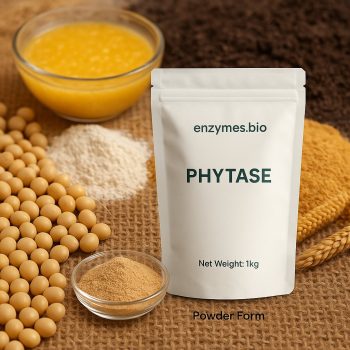 Enzim Gred Makanan
Enzim Fitase Gred Makanan
$129.99Harga asal ialah: $129.99.$116.99Harga semasa ialah: $116.99. Belian -
Jualan!
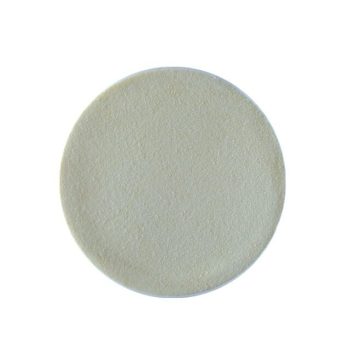 Enzim untuk Makanan Haiwan
Enzim Phytase Untuk Makanan Ayam – Enzim Makanan Haiwan Ruminan Ternakan
$88.00Harga asal ialah: $88.00.$79.99Harga semasa ialah: $79.99. Belian -
Jualan!
 Fitase
Ternakan Enzim Fitase Termostabil CAS 9001-89-2
$88.00Harga asal ialah: $88.00.$79.99Harga semasa ialah: $79.99. Belian -
Jualan!
 Fitase
Phytase Termostabil – Enzim Dalam Makanan Ayam
$88.00Harga asal ialah: $88.00.$79.99Harga semasa ialah: $79.99. Belian
Why Source Phytase from enzymes.bio?
MOQ rendah bermula daripada 1 kg
Kuantiti pesanan yang fleksibel daripada sampel R&D hingga pengeluaran penuh. Tingkatkan skala apabila bersedia.
Penyediaan Tersuai
Pasukan teknikal kami merumus penyediaan enzim khusus untuk memenuhi spesifikasi anda dengan tepat.
Penghantaran Global
Penuhan pesanan DHL, FedEx, dan USPS ke lebih 180 negara dengan penjejakan penuh. Penghantaran rantaian sejuk tersedia.
Sokongan Teknikal
Panduan permohonan daripada pakar enzim kami mengenai dos, kestabilan, dan formulasi.