Bulk Cellulase Enzyme Supplier

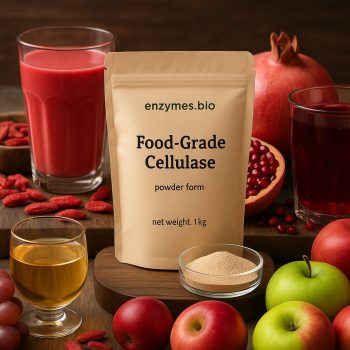
Acid, neutral and alkaline cellulase for juice processing, biofuel, textiles, and animal feed. Food-grade and industrial grades. Ships to 180+ countries from 1 kg.

How Cellulase Works

Cellulase is a multi-enzyme complex (EC 3.2.1.4) that degrades cellulose — the most abundant polymer on Earth — by cleaving β-1,4-glycosidic bonds between glucose units in the cellulose chain.

Cleaves β-1,4 Bonds

Endo-cellulase attacks the internal structure of cellulose chains, reducing degree of polymerization and releasing shorter oligomers. Exo-cellulase then cleaves cellobiose from chain ends for complete hydrolysis.

Releases Fermentable Sugars

Complete cellulose hydrolysis releases glucose, which can be fermented to ethanol or used directly. In biomass processing, cellulase + xylanase combinations maximize sugar yield from lignocellulosic feedstocks.

Modifies Fiber Surfaces

In textiles, alkaline cellulase targets surface fibrils of cotton and denim, removing pills and fuzz without damaging core fibers — producing a smooth finish or stone-washed appearance.

Cellulase Applications by Industry

Cellulase is used wherever cellulose degradation improves yield, texture, or process efficiency.
Juice & Wine Processing

Breaks down plant cell walls in fruit mash, increasing juice yield by 5–15% and improving clarification and filtration speed. Used in apple, grape, berry, and vegetable juice production.

Biofuel & Bioethanol

Hydrolyzes cellulose in lignocellulosic biomass (straw, bagasse, wood pulp) to fermentable glucose, enabling second-generation bioethanol production from agricultural residues.

Textiles

Acid and neutral cellulase are used for denim bio-stonewashing (replacing pumice stones) and bio-polishing of cotton fabrics to reduce pilling and improve hand feel.

Animal Feed

Degrades fibrous cell walls in plant-based feeds, releasing trapped nutrients and improving energy digestibility in monogastric animals (poultry, swine) and ruminants.

Pulp & Paper

Modifies cellulose fiber structure to improve drainage, refining efficiency, and paper strength. Used in recycled fiber processing to enhance quality and reduce energy use.

Cellulase Applications: Process Details, Dosage & Parameters

Juice & Wine Processing

Fruit Processing | Cell Wall Degradation & Yield Improvement

Function: Cellulase degrades cellulose in plant cell walls, releasing trapped juice and extracting color, aroma, and flavor compounds. Combined with pectinase and hemicellulase in enzyme cocktails, cellulase increases juice yield 10–20% and reduces pressing time and energy. Particularly effective for berry, stone fruit, and tropical fruit processing.

Typical dosage: 0.01–0.05% w/w; 45–55°C; pH 4–5; 1–2 hours maceration before pressing

Applications: Apple and pear juice yield improvement, berry juice extraction, tropical fruit processing, skin-contact white wine maceration.

Related guide: Winemaking Enzymes — pectinase, beta-glucanase & cellulase guide →

View Cellulase Products \u2192

Biofuel & Bioethanol

Lignocellulosic Biomass | 2G Ethanol Production

Function: Cellulase (endoglucanase + cellobiohydrolase + beta-glucosidase complex) hydrolyzes pretreated lignocellulosic biomass (corn stover, sugarcane bagasse, wheat straw) to fermentable glucose. Synergistic cellulase cocktails are required — no single cellulase component achieves complete hydrolysis alone.

Typical dosage: 0.1–1.0% w/w on dry biomass; 50°C; pH 4.8–5.0; 48–72 hours simultaneous saccharification and fermentation (SSF)

Applications: Cellulosic ethanol (2G), agricultural residue valorization, corn stover and bagasse saccharification, bio-based chemical production.

View Cellulase Products \u2192

Textiles & Denim Processing

Textile Finishing | Bioscouring & Stonewash Effect

Function: Neutral cellulase (pH 6–8) selectively removes surface cellulose fibrils from cotton fabric, reducing pilling, improving softness, and restoring color brightness. Acid cellulase (pH 4.5–5.5) provides the abrasive stone-wash effect on denim by selectively degrading surface cotton fibers.

Typical dosage: 0.01–0.1% w/w; 50–60°C; pH varies by enzyme class; 30–60 minutes; stop reaction by pH shift or heat

Applications: Denim stone-washing, cotton fabric biopolishing, wool bioscouring, anti-pilling treatment, color restoration.

View Cellulase Products \u2192

Animal Feed

Feed Manufacturing | Fiber Digestion Improvement

Function: Exogenous cellulase improves fiber digestibility in ruminants, poultry, and aquaculture species. In ruminants, supplemental cellulase enhances rumen fermentation of high-fiber diets (grass, straw, crop residues). In poultry and fish, it unlocks energy from plant-derived feed ingredients.

Typical dosage: 100–500 U/g feed; combine with xylanase and beta-glucanase for maximum fiber digestibility; heat-stable grades for pelleting

Applications: Ruminant dairy and beef diets, broiler and layer feeds, aquafeed, high-fiber by-product utilization.

View Cellulase Products \u2192

Pulp & Paper

Paper Manufacturing | Fiber Modification & Deinking

Function: Cellulase modifies cellulose fibers in pulp, improving drainage, beatability, and fiber flexibility. In recycled fiber deinking, cellulase detaches ink particles from fibers and improves flotation efficiency. Reducing endo-cellulase degrades fines and improves drainage in paper machine wet-end chemistry.

Typical dosage: 0.01–0.05% w/w on dry pulp; 50°C; pH 5–7; 30–60 minutes contact time

Applications: Mechanical and chemical pulp refining, recycled fiber deinking, tissue paper softening, paper machine drainage improvement.

View Cellulase Products \u2192

Cellulase Products Available Now

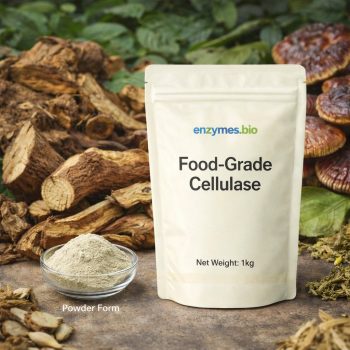
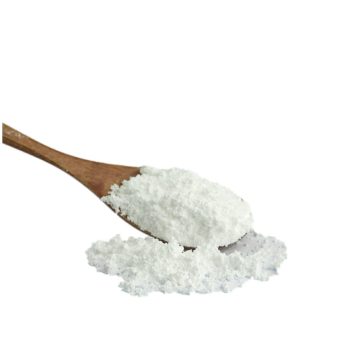
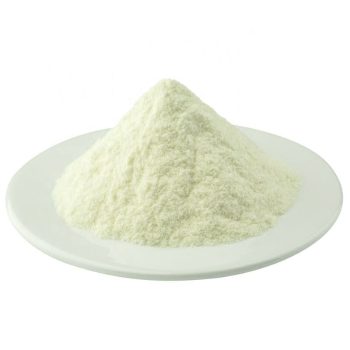
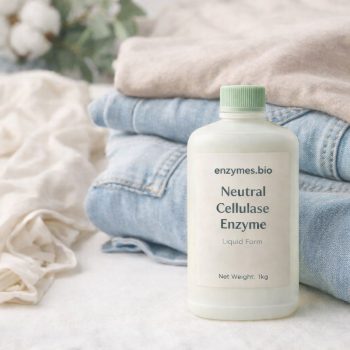
Browse our cellulase range — acid, neutral, and alkaline grades in powder and liquid. All products ship with certificate of analysis and technical data sheet.
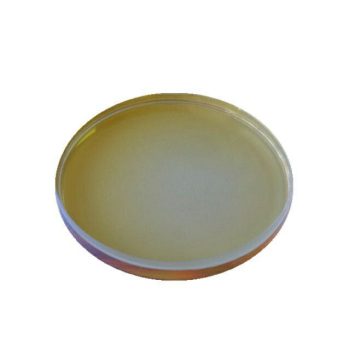
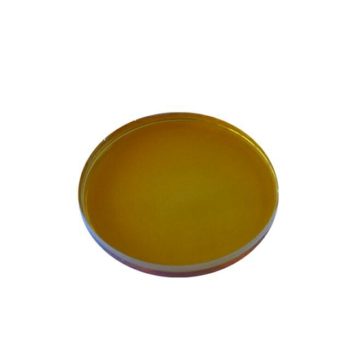
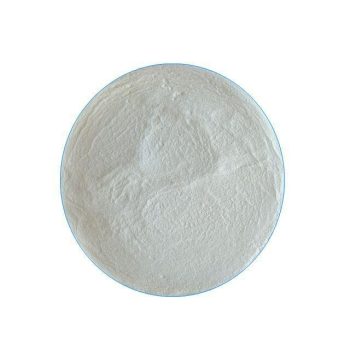
Top picks: Cellulase Enzyme Powder 11000u/g | Cellulase Powder 20,000 U/g Food Grade | Food Grade Powder Cellulase Enzyme 10,000U/G

Why Source Cellulase from enzymes.bio?

Low MOQ from 1 kg

Flexible order quantities from R&D samples to full production runs. Scale up when ready.

Custom Preparations

Our technical team formulates custom enzyme preparations to match your exact specification.

Global Shipping

DHL, FedEx, and USPS fulfillment to 180+ countries with full tracking. Cold-chain shipping available.

Technical Support

Application guidance from our enzyme specialists on dosage, stability, and formulation.

Frequently Asked Questions

Cellulase is a complex of enzymes that collectively hydrolyze cellulose — the most abundant polymer on earth — into glucose. The complex includes endoglucanase (randomly cleaves cellulose chains), cellobiohydrolase (releases cellobiose from chain ends), and beta-glucosidase (converts cellobiose to glucose). All three components work synergistically.
Acid cellulase (pH optimum 4.5–5.5) is used for denim stonewashing and biomass saccharification. Neutral cellulase (pH optimum 6–8) is preferred for cotton biopolishing and paper applications where fabric damage must be minimized. For juice processing, acid cellulase is standard (fruit juice pH 3.5–5).
Cellulase activity is measured in FPU (Filter Paper Units, IUPAC method), CMCase units (carboxymethylcellulase assay), or EGU (endoglucanase units). FPU is the standard for whole-cellulase complex activity in biofuel applications. Our product datasheets specify the assay and activity for each grade.
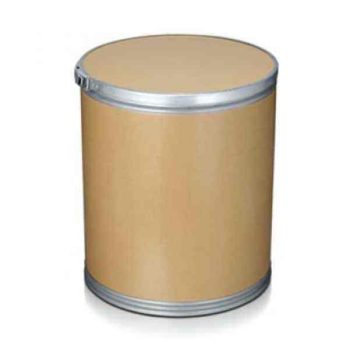
Minimum order is 1 kg for sample/trial purposes. Commercial quantities in 25 kg drums and bulk totes. We stock acid and neutral cellulase in liquid and powder formats. Most orders ship within 3–5 business days.
Yes — neutral cellulase is the standard enzyme for cotton bioscouring (replacing harsh NaOH alkaline scouring) and biopolishing. It selectively removes surface cellulose fibrils, improving hand feel and color retention without significant fabric strength loss at correct dosage and reaction time.
Yes — cellulase combined with pectinase and hemicellulase in enzyme cocktails increases juice yield 10–20% and improves extraction of color, aroma, and polyphenol compounds. For berry and tropical fruit processing, enzyme treatment is standard practice to maximize yield and quality.
Exogenous cellulase hydrolyzes non-starch polysaccharides (NSP) in feed ingredients, particularly high-fiber feeds (grass, straw, byproducts). This releases nutrients trapped in plant cell walls and reduces the viscosity-increasing effect of NSP in the gut. Combine with xylanase and beta-glucanase for maximum NSP hydrolysis.
Lignocellulosic biomass (corn stover, bagasse) requires pretreatment before cellulase hydrolysis — the lignin matrix must be disrupted to expose cellulose fibers. Common pretreatments: dilute acid (H₂SO₄), alkaline (NaOH), steam explosion, or organosolv. Pretreated substrate shows 5–10× higher cellulase hydrolysis efficiency vs. raw biomass.
Yes — cellulase, pectinase, hemicellulase, and arabanase work synergistically for plant cell wall degradation. These enzymes are routinely combined in fruit processing, wine production, and biofuel applications. We can supply individual enzymes or advise on multi-enzyme cocktail formulations for your specific substrate.
Most fungal cellulases (Trichoderma origin): 45–55°C, pH 4.5–5.5 (acid) or 6–7 (neutral). Thermostable cellulases: active to 65–70°C. For biomass saccharification at 50°C in SSF, standard fungal cellulase performs well. For high-temperature applications, confirm grade temperature stability before use.

Ready to Order Bulk Cellulase?

Request a sample, get a technical data sheet, or ask for a bulk quote. We respond within 24 hours.