
Προμηθευτής ενζύμων άλφα-αμυλάσης χύμα
Πώς λειτουργεί η άλφα-αμυλάση
Υγροποιεί το άμυλο
Η ενδοενεργός α-αμυλάση διασπά τους εσωτερικούς δεσμούς α-1,4 στο ζελατινοποιημένο άμυλο, μειώνοντας ταχέως το ιξώδες από 10.000+ cP σε κάτω από 100 cP. Απαραίτητη για την επεξεργασία αμύλου, την παραγωγή αιθανόλης και την προετοιμασία πολτού ζυθοποιίας.
Θερμοσταθερές παραλλαγές
Η θερμοσταθερή α-αμυλάση που προέρχεται από τον Bacillus licheniformis- παραμένει ενεργή στους 80-105°C, επιτρέποντας τη ρευστοποίηση αμύλου σε υψηλές θερμοκρασίες χωρίς ενζυμική προεπεξεργασία του ζελατινοποιούμενου αμύλου.
Βελτιώνει τη ζύμη & την ψίχα
Στην αρτοποιία, η μυκητιακή α-αμυλάση (Aspergillus oryzae) παράγει ζυμώσιμα σάκχαρα από κατεστραμμένο άμυλο, βελτιώνοντας τη δραστηριότητα της μαγιάς, το χρώμα της κρούστας και την απαλότητα της ψίχας. Ενεργή σε θερμοκρασίες ζύμης μέχρι να αδρανοποιηθεί κατά το ψήσιμο.
Εφαρμογές άλφα-αμυλάσης ανά βιομηχανία
Βιοκαύσιμα & Αιθανόλη
Η θερμοσταθερή άλφα-αμυλάση ρευστοποιεί τον πολτό αμύλου καλαμποκιού, σιταριού και μανιόκας στους 85-95°C πριν από τη σακχαροποίηση. Επιτρέπει το συνεχές μαγείρεμα και τα συστήματα jet-cooking για μονάδες αιθανόλης υψηλής απόδοσης.
Ζυθοποιία
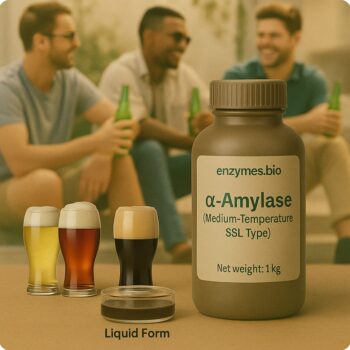
Η άλφα-αμυλάση μέσης θερμοκρασίας ενισχύει τη μετατροπή του αμύλου σε κριθάρι και πρόσθετες πολτοποιήσεις, βελτιώνοντας την απόδοση του εκχυλίσματος και τη ζυμωσιμότητα. Χρησιμοποιείται επίσης σε ζυθοποιία υψηλής βαρύτητας για τον έλεγχο των επιπέδων δεξτρίνης.
Ψήσιμο
Η μυκητιασική άλφα-αμυλάση τυποποιεί την απόδοση του αλεύρου, βελτιώνει το χρώμα της κρούστας και τη μαλακότητα της ψίχας και παρατείνει τη διάρκεια ζωής στο ψωμί, τα ψωμάκια και τα επίπεδα ψωμιά. Δοσολογείται σε 20-200 mg/kg αλεύρι.
Χυμός & εκχύλιση
Αποικοδομεί το άμυλο σε πολτό φρούτων και φυτικά εκχυλίσματα για να μειώσει το ιξώδες, να βελτιώσει τη διήθηση και να αποτρέψει το θόλωμα του αμύλου στους τελικούς χυμούς και τα εκχυλίσματα.
Ζωοτροφές
Βελτιώνει την πεπτικότητα του αμύλου σε δίαιτες πουλερικών και χοίρων με βάση τα δημητριακά, αυξάνοντας τη διαθεσιμότητα ενέργειας και μειώνοντας τους δείκτες μετατροπής της τροφής.
Αμυλάση Εφαρμογές: Αμυλάση: Λεπτομέρειες διαδικασίας, δοσολογία & παράμετροι
Παραγωγή βιοκαυσίμων & αιθανόλης
Υγροποίηση αμύλου | Επεξεργασία πολτού υψηλής περιεκτικότητας σε DS
Λειτουργία: Η άλφα-αμυλάση ρευστοποιεί το άμυλο διασπώντας τυχαία τους γλυκοζιτικούς δεσμούς άλφα-1,4, μειώνοντας ταχέως το ιξώδες των πολτών με υψηλή περιεκτικότητα σε ξηρά στερεά (DS) (30-35% DS). Αυτό επιτρέπει την αποτελεσματική άντληση και τη σακχαροποίηση στη συνέχεια. Η θερμοσταθερή άλφα-αμυλάση (ενεργή στους 105°C) προτιμάται για το μαγείρεμα με αεριωθούμενο ατμό και τις διεργασίες υγροποίησης σε υψηλές θερμοκρασίες.
Τυπική δοσολογία: 0,01-0,1% w/w σε άμυλο- ρευστοποίηση 85-95°C- pH 5,5-6,5- χρόνος παραμονής 30-90 λεπτά
Εφαρμογές: Αιθανόλη καλαμποκιού, αιθανόλη μανιόκας, υγροποίηση αμύλου σιταριού, επεξεργασία αμύλου γλυκοπατάτας, βιομηχανική παραγωγή σιροπιού γλυκόζης.
Ζυθοποιία & απόσταξη
Ζυθοποιία | Συμπληρωματικός ζυθοποιός ζύμης Σακχαροποίηση
Λειτουργία: Η α-αμυλάση επιτρέπει την παρασκευή ζυθοποιίας υψηλής περιεκτικότητας σε πρόσθετα με ζελατινοποιημένο άμυλο (καλαμπόκι, ρύζι, σόργο) που δεν διαθέτουν επαρκές ενδογενές ένζυμο. Σε συνδυασμό με τη γλυκοαμυλάση, επιτυγχάνεται πλήρης σακχαροποίηση σε ζυμώσιμα σάκχαρα. Η βακτηριακή άλφα-αμυλάση υπερτερεί της αμυλάσης της βύνης σε ζυθοποίηση με υψηλή πρόσμιξη και σε ζυθοποίηση δημητριακών.
Τυπική δοσολογία: 0,01-0,1% w/w- προσθήκη στο πολτό σε θερμοκρασία ζελατινοποίησης- 60-90 λεπτά σακχαροποίησης
Εφαρμογές: Ζύθος lager με υψηλή περιεκτικότητα, ζύθος lager ρυζιού, μπύρα σόργου, παρασκεύασμα πλύσης ουίσκι, ζύθος ρουμιού από μελάσα.
Σχετικός οδηγός: Ένζυμα ζυθοποιίας - οδηγός αμυλάσης, γλυκοαμυλάσης & β-γλυκανάσης →
Επεξεργασία ψησίματος & αλεύρων
Ψήσιμο | Τροποποίηση αμύλου & παράταση διάρκειας ζωής
Λειτουργία: Η μυκητιακή α-αμυλάση (αδρανοποιείται σε θερμοκρασίες ψησίματος ~65°C) παράγει ζυμώσιμα σάκχαρα και δεξτρίνες, βελτιώνοντας τη ζύμωση της μαγιάς, το χρώμα της κρούστας (αντίδραση Maillard) και την απαλότητα της ψίχας. Η μαλτογενετική αμυλάση (θερμοσταθερή) καθυστερεί την αναβάθμιση του αμύλου, παρατείνοντας τη διάρκεια ζωής του ψωμιού κατά 3-5 ημέρες.
Τυπική δοσολογία: 1-10 ppm μυκητιασικής αμυλάσης- 1-5 ppm μαλτογόνου αμυλάσης- προστίθεται στο αλεύρι ή στο στάδιο της ανάμιξης
Εφαρμογές: Ψωμί για τηγάνια, ψωμάκια, κράκερς, γλυκά, ψωμί χωρίς γλουτένη, βιομηχανικό ψωμί για σάντουιτς με παρατεταμένη διάρκεια ζωής.
Σχετικός οδηγός: Ένζυμα ψησίματος - οδηγός δοσολογίας αμυλάσης, ξυλανάσης & πρωτεάσης →
Διευκρινίσεις για χυμούς και ποτά
Επεξεργασία χυμού | Αφαίρεση θολότητας αμύλου αμύλου
Λειτουργία: Το θόλωμα αμύλου στο χυμό μήλου και αχλαδιού σχηματίζεται όταν οι κόκκοι αμύλου παραμένουν μετά την έκθλιψη. Η άλφα-αμυλάση υδρολύει το υπολειπόμενο άμυλο, εξαλείφοντας το θόλωμα και αποτρέποντας την καθίζηση αμύλου μετά την εμφιάλωση. Ιδιαίτερα σημαντικός για χυμούς μήλων πρώιμης εποχής, όπου η περιεκτικότητα σε άμυλο είναι υψηλότερη.
Τυπική δοσολογία: 0,01-0,05% w/w- 45-55°C- 30-60 λεπτά- ακολουθεί διήθηση
Εφαρμογές: Διαύγαση χυμού μήλου, επεξεργασία χυμού αχλαδιού, απομάκρυνση αμύλου γλεύκους σταφυλιών, σταθεροποίηση τροπικού χυμού.
Ζωοτροφές
Παραγωγή ζωοτροφών | Βελτίωση της πεπτικότητας του αμύλου
Λειτουργία: Η εξωγενής αμυλάση σε σύνθετες ζωοτροφές βελτιώνει την πεπτικότητα του αμύλου σε νεαρά ζώα (χοιρίδια, κοτόπουλα κρεατοπαραγωγής) με ανώριμη παραγωγή πεπτικών ενζύμων. Η συμπληρωματική αμυλάση ξεκλειδώνει επίσης την ενέργεια από τα άψητα ή ακατέργαστα κλάσματα αμύλου σε πελλετοποιημένες ζωοτροφές, βελτιώνοντας τον λόγο μετατροπής της τροφής.
Τυπική δοσολογία: 100-500 U/g τροφής- θερμοσταθερά σκευάσματα για πελλετοποίηση (≥85°C)- συνιστάται η συν-συμπλήρωση με φυτάση
Εφαρμογές: Ζωοτροφές για κοτόπουλα, ορνίθια και χοιρίδια- δίαιτες με βάση τα δημητριακά πλούσιες σε άμυλο- δίαιτες με υψηλή περιεκτικότητα σε σιτάρι- ζωοτροφές εκκίνησης για νεαρά ζώα.
Προϊόντα άλφα-αμυλάσης διαθέσιμα τώρα
-
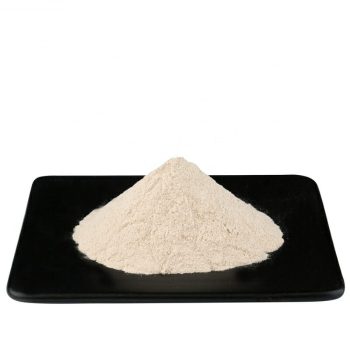 Άλφα-αμυλάση
Σκόνη άλφα-αμυλάσης Υψηλής θερμοκρασίας ένζυμο άλφα-αμυλάσης για βελτιωτικό ψωμιού
US$130.99 Αγορά -
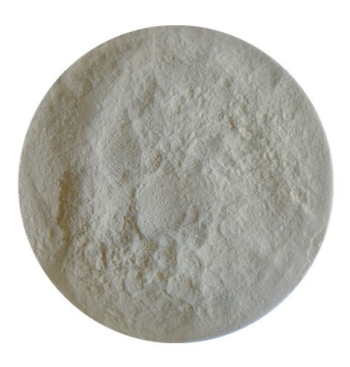 Θερμοσταθερή άλφα-αμυλάση
Θερμοσταθερή Alpha-amylase Enzyme Powder 30000 u/g Powder Cas 9000-90-2
US$118.99 Αγορά -
-
-
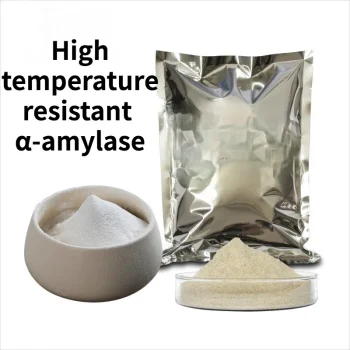
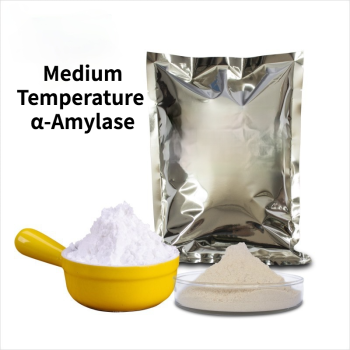 Άλφα-αμυλάση
Μέσης θερμοκρασίας α-αμυλάση 10.000 U/G Αμύλου Υδρόλυσης Βαθμού Τροφίμων
US$130.99 Αγορά -
-
-
-
-
 Άλφα-αμυλάση
Halal Certified Thermostable Alpha-amylase Enzyme 150.000u/ml CAS 9000-92-4
US$81.99 Αγορά -
 Μυκητιακή άλφα αμυλάση
Liquid Fungal Alpha-amylase Enzyme CAS 9013-01-8 Δραστηριότητα: 20.000u/ml Υγρό
US$62.99 Αγορά -
 Παραγωγή αιθανόλης
Θερμοσταθερό ένζυμο άλφα αμυλάσης για βιομηχανική παραγωγή αιθανόλης
US$75.99 Αγορά -
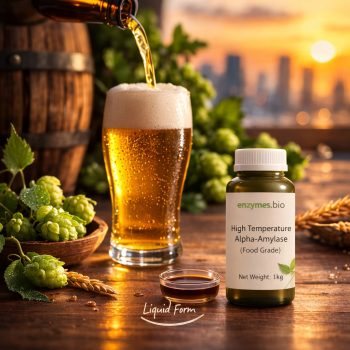 Θερμοσταθερή άλφα-αμυλάση
High Temperature Alpha-Amylase for Alcohol & Brewing Starch Liquefaction
US$99.99 Αγορά -
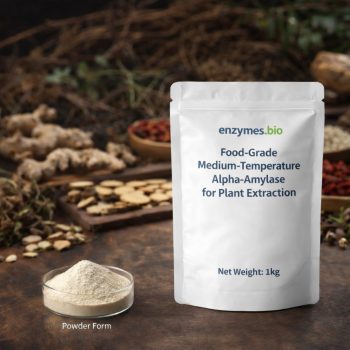
-
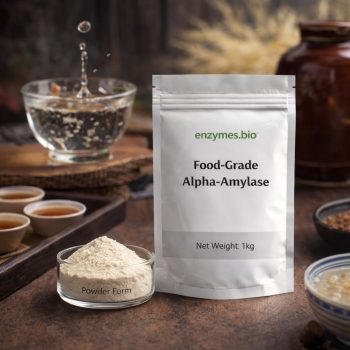
-
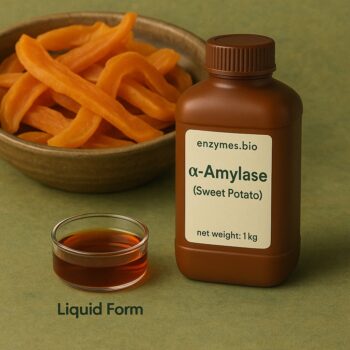
-
 Σακχαροποίηση
Θερμοσταθερό Υγρό Ενζύμου Άλφα Αμυλάσης για Επεξεργασία Υδρόλυσης Αμύλου
US$75.99 Αγορά
Γιατί να προμηθεύεστε άλφα-αμυλάση από την enzymes.bio;
Χαμηλό MOQ από 1 kg
Ευέλικτες ποσότητες παραγγελίας από δείγματα Ε&Α έως πλήρη παραγωγή. Κλιμάκωση όταν είστε έτοιμοι.
Προσαρμοσμένες προετοιμασίες
Η τεχνική μας ομάδα διαμορφώνει προσαρμοσμένα παρασκευάσματα ενζύμων που ανταποκρίνονται στις ακριβείς προδιαγραφές σας.
Παγκόσμια ναυτιλία
DHL, FedEx και USPS σε 180+ χώρες με πλήρη παρακολούθηση. Διαθέσιμη αποστολή με ψυχρή αλυσίδα.
Τεχνική υποστήριξη
Καθοδήγηση εφαρμογής από τους ειδικούς μας στα ένζυμα σχετικά με τη δοσολογία, τη σταθερότητα και τη σύνθεση.