
Bulk Dairy Enzymes Supplier for Industry
How Dairy Enzymes Work
Bulk tootmine valmis
Stable activity levels and scalable volumes designed for continuous dairy manufacturing lines.
Food Grade Compliance
Food grade dairy enzymes with clear specifications, activity units, and documentation for regulatory review.
Reliable Global Supply
Consistent batch quality and dependable export logistics for long-term supply contracts.
Enzyme Types for Dairy Applications
Kümosiin
Coagulates milk proteins to form curd — the essential first step in cheese production.
Lipaas
Develops characteristic flavour in aged cheeses by selectively hydrolyzing milk fat.
Laktaas
Converts lactose to glucose and galactose for lactose-free milk, yogurt, and ice cream.
Neutraalne proteaas
Accelerates cheese ripening to develop texture, mouthfeel, and depth of flavour.
Katalaas
Eliminates hydrogen peroxide residues in milk after antimicrobial treatment, ensuring product safety.
Dairy Enzyme Guide: Functions, Dosage & Applications
Chymosin (Rennet)
Milk Coagulation for Cheese Manufacturing
Funktsioon: Chymosin is a protease that specifically cleaves kappa-casein at the Phe105–Met106 bond, destabilizing casein micelles and triggering milk gelation. Microbial chymosin (fermentation-produced) is functionally identical to calf rennet and is the most widely used coagulant in industrial cheese production worldwide.
Tüüpiline annus: 0.01–0.03 g/L milk. Activity typically expressed as IMCU (International Milk Clotting Units). Dosage varies with milk temperature (28–34°C optimal), pH (6.4–6.6 optimal), and calcium ion concentration. Higher calcium accelerates coagulation.
Rakendused: Hard cheese (Cheddar, Gouda, Parmesan), semi-hard cheese, soft cheese (Brie, Camembert), fresh cheese, quark. Preferred over animal rennet for kosher/halal-certified production.
Lipaas
Lipolysis for Cheese Flavor Development
Funktsioon: Lipase hydrolyzes milk triglycerides into free fatty acids (FFA), which are the primary drivers of flavor in aged and specialty cheeses. Short-chain FFAs (C4–C8) produce sharp, piquant notes in Romano and Parmesan. Medium-chain FFAs (C10–C12) develop creamy, buttery character in softer varieties.
Tüüpiline annus: 0.002–0.05% w/w of milk. Pre-gastric esterase (PGE) from kid/lamb produces traditional piquant notes; microbial lipases offer more controlled, consistent activity. Overdosing causes soapy off-flavors — critical to validate at scale.
Rakendused: Italian hard cheeses (Parmesan, Romano, Pecorino), Blue cheese, enzyme-ripened varieties, butter flavor enhancement. Also used to accelerate ripening in industrial Cheddar production.
Pood lahtiselt: Bulk Lipase — dairy lipase for cheese flavor & fat modification →
Lactase (Beta-Galactosidase)
Lactose Hydrolysis for Lactose-Free Dairy Products
Funktsioon: Lactase cleaves lactose into its constituent monosaccharides — glucose and galactose. Since ~65% of the world population has reduced lactase persistence after childhood, lactose-free dairy is one of the fastest-growing product segments globally. The resulting glucose/galactose also improves sweetness perception without added sugar.
Tüüpiline annus: 0.01–0.10% v/v (liquid enzyme) at 4–6°C for cold hydrolysis (6–12 hours), or 0.001–0.01% at 35–40°C for warm hydrolysis (30–60 minutes). Cold-hydrolysis is preferred commercially — can be added to pasteurized milk in-line.
Rakendused: Lactose-free UHT milk, lactose-free yogurt, lactose-free ice cream, whey permeate processing, low-lactose infant formula. Also improves texture in yogurt by reducing lactose crystallization.
Pood lahtiselt: Bulk Lactase — neutral & acid lactase for lactose-free dairy →
Neutraalne proteaas
Cheese Ripening Acceleration & Bitterness Reduction
Funktsioon: Neutral protease hydrolyzes casein and whey proteins at neutral pH (6.0–7.5), releasing peptides and amino acids that drive cheese flavor development. Unlike alkaline protease, it produces fewer bitter peptides, making it preferred for accelerated cheese ripening applications where off-flavor control is important.
Tüüpiline annus: 0.001–0.01% w/v of milk or curd. For ripening acceleration, enzyme is added to the curd milling stage or injected post-pressing. Activity: 50,000–400,000 U/g. pH optimum 6.0–7.0.
Rakendused: Accelerated Cheddar ripening (reduces maturation time by 30–50%), cream cheese, processed cheese manufacturing, milk protein hydrolyzates for infant formula. Also used in flavor enzyme blends.
Pood lahtiselt: Bulk Protease — neutral & alkaline protease for dairy applications →
Katalaas
Hydrogen Peroxide Removal in Cold-Pasteurized Dairy
Funktsioon: Catalase decomposes hydrogen peroxide (H₂O₂) into water and oxygen. In markets where H₂O₂ is approved for cold pasteurization of raw milk (US FDA 21 CFR, various Asian regulations), residual H₂O₂ must be neutralized before further processing. Catalase provides rapid, complete decomposition without thermal treatment.
Tüüpiline annus: 100–300 U/L of treated milk. Contact time: 10–30 minutes at 4–8°C before downstream processing. Confirm complete H₂O₂ removal with peroxidase activity test strip or titration.
Rakendused: H₂O₂-treated raw milk, cheese production in markets using cold pasteurization, milk powder processing, whey treatment. Also used in textile and food processing to remove H₂O₂ from bleaching steps.
Pood lahtiselt: Bulk Catalase - toiduks kasutatav katalaas H₂O₂ eemaldamiseks →
Our Dairy Enzyme Products
-
Müük!
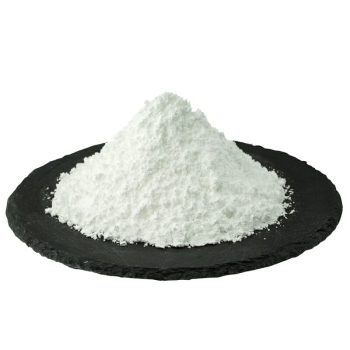 Piimaensüümid
Laktaasipulber 10000ALU/G Laktaasi ensüümi pulber CAS 9031-11-2
US$88.00Algne hind oli: US$88.00.US$79.99Praegune hind on: US$79.99. ostma -
Müük!
 Piimaensüümid
Toiduklassi hind pulber laktaasi ensüüm 100 000ALU/G
US$418.00Algne hind oli: US$418.00.US$376.99Praegune hind on: US$376.99. ostma -
Müük!
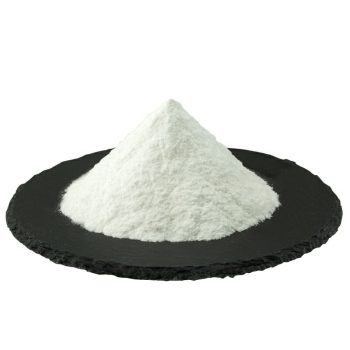 Piimaensüümid
Laktaasipulber 50000ALU/G Laktaasiensüümi pulber CAS 9031-11-2
US$253.00Algne hind oli: US$253.00.US$227.99Praegune hind on: US$227.99. ostma -
Müük!
 Piimaensüümid
1 kg laktaasi ensüümi pulber CAS 9031-11-2
US$448.00Algne hind oli: US$448.00.US$403.99Praegune hind on: US$403.99. ostma -
Müük!
 Piimaensüümid
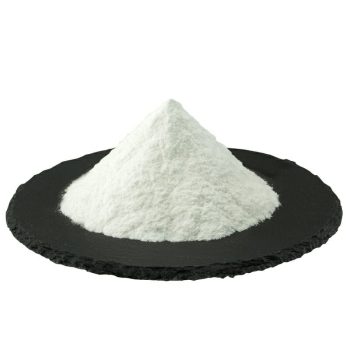
Kümosiini CAS 9001-98-3 laabipulber 20000 u/g kümosiinipulber
US$88.00Algne hind oli: US$88.00.US$79.99Praegune hind on: US$79.99. ostma -
Müük!
 Piimaensüümid
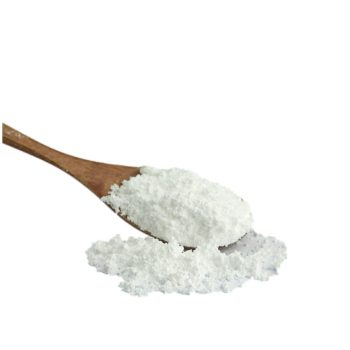
Tarnijad Hind pulber laabi juustu jaoks
US$145.00Algne hind oli: US$145.00.US$130.99Praegune hind on: US$130.99. ostma -
Müük!
 Piimaensüümid
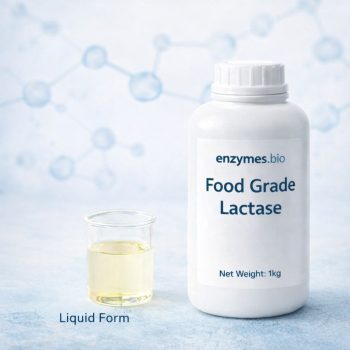
Toiduainete kvaliteediga laktaasi vedelik
US$166.66Algne hind oli: US$166.66.US$149.99Praegune hind on: US$149.99. ostma -
Müük!
 Piimaensüümid
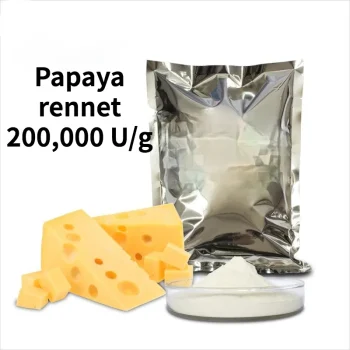
Laap 20 000 Vitality Juust Jogurt Kalgendav Taim Papaia Allikas 500g
US$343.00Algne hind oli: US$343.00.US$308.99Praegune hind on: US$308.99. ostma -
Müük!
 Piimaensüümid
Edendada juustujogurti koagulatsiooni kõrge puhtusastmega laabi kümosiini ensüümi kümosiiniga
US$418.00Algne hind oli: US$418.00.US$376.99Praegune hind on: US$376.99. ostma -
Müük!
 Piimaensüümid
Mikroobne laabi juustu ensüümi pulber – Halal sertifitseeritud juustu laabi ensüüm
US$715.00Algne hind oli: US$715.00.US$643.99Praegune hind on: US$643.99. ostma
Why Source Dairy Enzymes from enzymes.bio?
Madal MOQ alates 1 kg
Paindlikud tellimiskogused teadus- ja arendustegevuse näidiste või täieliku tootmise jaoks. Suurendage tootmismahtu, kui olete valmis.
Saadaval kohandatud segud
Kas vajate konkreetset ensüümide suhet või mitme ensüümi kompleksi? Meie meeskond koostab teie protsessi jaoks kohandatud segusid.
Ülemaailmne laevandus
DHL, FedEx ja USPS täidavad tellimusi enam kui 180 riiki. Temperatuuritundlike ensüümide jaoks on saadaval külmaahela saatmine.
Tehniline tugi
Meie ensüümispetsialistide juhised ja annustamissoovitused.