
ผู้จัดจำหน่ายเอนไซม์ไซลานเนสแบบจำนวนมาก
การทำงานของไซแลนาส
ตัดสายโซ็กซิลาน
เอนโด-ไซลานเนสตัดพันธะไซโลไซดิคภายในอย่างรวดเร็ว ลดความหนืดของอะราบิโนไซลานและปล่อยโอลิโกเมอร์ที่ละลายได้สำหรับการประมวลผลหรือการหมักในขั้นตอนต่อไป.
แจกจ่ายน้ำแป้งใหม่
ในแป้งสาลี, xylanase ช่วยละลาย arabinoxylans ที่จับกับน้ำ — โดยถ่ายโอนน้ำที่จับไว้ไปยังกลูเตนและแป้ง, ช่วยปรับปรุงความยืดหยุ่นของแป้งและการขยายตัวในเตาอบ.
ทำลายผนังเซลล์
ในอาหารสัตว์และเชื้อเพลิงชีวภาพ ไซลาเนสจะย่อยสลายโพลีแซ็กคาไรด์ในผนังเซลล์ของพืช ปล่อยสารอาหารและน้ำตาลที่สามารถหมักได้ซึ่งถูกกักเก็บไว้ภายในเฮมิเซลลูโลส.
การประยุกต์ใช้ไซแลนาสตามอุตสาหกรรม
การอบขนม
เพิ่มปริมาณขนมปังต่อก้อนได้ 10–15%, ปรับปรุงเนื้อสัมผัสของขนมปัง, และยืดอายุการเก็บรักษา. ใช้ในขนมปัง, โรล, ทอร์ติญา, และผลิตภัณฑ์ที่ทำจากข้าวสาลีอื่น ๆ.
อาหารสัตว์
ลดความหนืดของอาหารในสัตว์ปีกและสุกร ช่วยปรับปรุงอัตราส่วนการเปลี่ยนอาหารเป็นเนื้อและพลังงานที่ย่อยได้จากอาหารที่มีข้าวสาลี ข้าวไรย์ และข้าวบาร์เลย์เป็นส่วนประกอบ.
เยื่อกระดาษและกระดาษ
การฟอกสีเยื่อคราฟท์ก่อนการฟอกด้วยไซลาเนสช่วยลดความต้องการสารเคมีคลอรีนได้สูงสุดถึง 20% ซึ่งช่วยลดต้นทุนในขณะที่เพิ่มความสว่างของเยื่อและปรับปรุงโปรไฟล์ด้านสิ่งแวดล้อม.
เชื้อเพลิงชีวภาพ
ย่อยสลายเฮมิเซลลูโลสในชีวมวลลิกโนเซลลูโลสเพื่อปลดปล่อยน้ำตาลเพนโทสที่สามารถหมักได้ ช่วยเพิ่มผลผลิตเอทานอลในการผลิตเอทานอลชีวภาพรุ่นที่สอง.
การชงและเครื่องดื่ม
ลดความหนืดของวอร์ตในเบียร์ที่ทำจากข้าวสาลีและข้าวไรย์ ช่วยเพิ่มความเร็วในการกรองและปรับปรุงการกรอง นอกจากนี้ยังใช้ในกระบวนการทำให้ใสของน้ำผลไม้และการผลิตไวน์ผลไม้.
การประยุกต์ใช้ไซแลนเนส: รายละเอียดกระบวนการ, ปริมาณการใช้ & พารามิเตอร์
การอบขนมและการปรับปรุงแป้ง
การอบ | การปรับปรุงอะราบิโนซัยลานและการปรับปรุงแป้ง
การทำงาน: ไซเลเนสย่อยอะราบิโนซิลแลน (เพนโตซาน) ในแป้งสาลี ปล่อยอะราบิโนซิลแลนที่ไม่ละลายน้ำซึ่งจับกับน้ำได้ และปรับปรุงการยืดตัวของแป้ง การกระจายตัวของน้ำ และการสร้างเครือข่ายกลูเต็น ซึ่งช่วยลดเวลาในการผสม ปรับปรุงความสามารถในการผลิตด้วยเครื่องจักร และสร้างโครงสร้างเนื้อขนมปังที่โปร่งมากขึ้น — ซึ่งมีคุณค่าอย่างยิ่งสำหรับสูตรขนมปังที่ทำจากแป้งสาลีทั้งเมล็ดและสูตรที่มีเส้นใยสูง.
ขนาดยาทั่วไป: 0.5–5 ppm โดยน้ำหนักแป้ง; ใส่โดยตรงลงในแป้งหรือในขั้นตอนการผสม; ค่า pH 5–6 ในแป้งโด
การใช้งาน: ขนมปังแผ่น ขนมปังโฮลวีต ขนมปังบาแกต ขนมปังไฟเบอร์สูง การผลิตขนมปังอุตสาหกรรม แป้งแช่แข็ง.
คู่มือที่เกี่ยวข้อง: เอนไซม์สำหรับการอบ — ไคราเนส, อะไมเลส และคำแนะนำการใช้สารปรับปรุงแป้ง →
อาหารสัตว์
การผลิตอาหารสัตว์ | การลดปัจจัยต้านคุณค่าทางโภชนาการ (ANF)
การทำงาน: อะราบิโนซิลแลนในอาหารที่มีข้าวสาลี ข้าวไรย์ และข้าวบาร์เลย์เป็นฐาน เพิ่มความหนืดในลำไส้ ลดการดูดซึมสารอาหาร และทำให้มูลเปียกในสัตว์ปีกแย่ลง ไคซานเนสจากภายนอกจะย่อยสลายอะราบิโนซิลแลนที่ก่อให้เกิดความหนืดเหล่านี้ ทำให้การย่อยสารอาหารและการใช้พลังงานดีขึ้น ซึ่งช่วยลดต้นทุนอาหารและปรับปรุงประสิทธิภาพการเจริญเติบโต.
ขนาดยาทั่วไป: 500–2,000 หน่วย/กรัมอาหาร; ต้องใช้เกรดที่ทนความร้อนสำหรับการอัดเม็ด (≥85°C); ผสมกับเบต้า-กลูคานิเอสเพื่อประสิทธิภาพสูงสุดในอาหารข้าวบาร์เลย์
การใช้งาน: อาหารไก่เนื้อและไก่ไข่ที่มีส่วนผสมของข้าวสาลี อาหารที่มีส่วนผสมของข้าวไรย์และข้าวบาร์เลย์ อาหารหมูที่มีส่วนผสมของรำข้าวสาลี อาหารสัตว์น้ำที่มีโปรตีนจากพืช.
เยื่อกระดาษและกระดาษ (การเพิ่มประสิทธิภาพการฟอก)
การผลิตกระดาษ | การฟอกสีปราศจากคลอรีน
การทำงาน: ไซลานเนสช่วยกำจัดไซยานที่ถูกสะสมใหม่บนเส้นใยเซลลูโลสในระหว่างกระบวนการต้มเยื่อด้วยวิธีคราฟต์ ซึ่งเป็นการขัดขวางการแทรกซึมของสารเคมีฟอกขาว การกำจัดไซยานด้วยเอนไซม์ (การเตรียมก่อนฟอกขาวด้วยวิธีชีวภาพ) ช่วยลดความต้องการคลอรีนไดออกไซด์ในกระบวนการฟอกขาว ECF ลง 15–25% และเพิ่มความสว่างของเยื่อขั้นสุดท้าย นี่เป็นแอปพลิเคชันของไซลานเนสในอุตสาหกรรมที่มีความสำคัญทางการค้าสูงสุด.
ขนาดยาทั่วไป: 0.05–0.2% ต่อน้ำหนักน้ำหนักบนเยื่อ; 50–60°C; pH 7–9 (ต้องการไซลาเนสที่เสถียรในสภาวะด่าง); การบำบัดก่อนการฟอกสี 1–2 ชั่วโมง
การใช้งาน: การฟอกเยื่อ Kraft ด้วย ECF, ลำดับการฟอกด้วย TCF, การปรับปรุงความสว่างของกระดาษ, การลดต้นทุนสารเคมีฟอกขาว.
เชื้อเพลิงชีวภาพและโรงงานชีวภาพ
ชีวมวลลิกโนเซลลูโลส | การเปลี่ยนเฮมิเซลลูโลสให้เป็นน้ำตาล
การทำงาน: ไซยาน (เฮมิเซลลูโลส) ประกอบเป็น 15–30% ของชีวมวลทางการเกษตรและเป็นโพลีแซ็กคาไรด์ที่มีมากที่สุดเป็นอันดับสองรองจากเซลลูโลส ไซเลเนสจะทำหน้าที่ไฮโดรไลซ์ไซยานให้เป็นไซโลส ซึ่งสามารถหมักเป็นเอทานอลได้โดยยีสต์ที่หมักเพนโทสหรือเปลี่ยนเป็นไซลิทอล ไซเลเนสยังช่วยปรับปรุงการเข้าถึงเซลลูโลสในชีวมวลโดยการกำจัดเปลือกหุ้มเฮมิเซลลูโลสออก.
ขนาดยาทั่วไป: 0.05–0.2% ต่อน้ำหนักแห้งของชีวมวล; 50–55°C; pH 5–6; 24–48 ชั่วโมง; ผสมกับเซลลูเลสเพื่อเพิ่มประสิทธิภาพการเปลี่ยนชีวมวลสูงสุด
การใช้งาน: เอทานอลชีวภาพ 2G จากวัสดุเหลือใช้ทางการเกษตร, การผลิตไซโลส, การผลิตไซลิทอล, การเพิ่มมูลค่าผลพลอยได้จากการผลิตไบโอรีไฟเนอรี่.
การชงและเครื่องดื่ม
การต้มเบียร์ | การปรับปรุงความหนืดของวอร์ตและการกรอง
การทำงาน: อะราบิโนซิลแลนมีส่วนช่วยเพิ่มความหนืดของน้ำเบียร์ดิบและต้านทานการกรอง โดยเฉพาะในเบียร์ที่ทำจากข้าวสาลีและการผลิตเบียร์ที่ใช้ข้าวบาร์เลย์เป็นส่วนผสม เอนไซม์ไซลาเนสช่วยย่อยอะราบิโนซิลแลน ทำให้ความหนืดของน้ำเบียร์ดิบลดลง และเพิ่มประสิทธิภาพในการกรองและการแยกน้ำจากข้าวมอลต์ เมื่อใช้ร่วมกับเบต้า-กลูคานาเอส ไซลาเนสจึงเป็นมาตรฐานในสูตรเอนไซม์สำหรับผลิตเบียร์ที่ใช้ส่วนผสมจากธัญพืชอื่นที่มีค่าความหนืดสูง.
ขนาดยาทั่วไป: 0.01–0.05% w/w; เติมระหว่างการบด; 55–65°C; 30–60 นาที
การใช้งาน: เบียร์ข้าวสาลี, การผลิตเบียร์โดยใช้ข้าวบาร์เลย์เป็นส่วนผสม, เบียร์ข้าวไรย์, การผลิตเบียร์สเตาท์ข้าวโอ๊ต, การปรับกระบวนการบดส่วนผสมให้เหมาะสม.
ผลิตภัณฑ์ไซแลนาสพร้อมจำหน่ายแล้ว
-
ขาย!
 ไซลาเนส
เอนไซม์ไซลาเนสสำหรับทำขนมปัง – ผง 5,500 u/g
US$75.00ราคาเดิมคือ: US$75.00.US$67.99ราคาปัจจุบันอยู่ที่ : US$67.99. ซื้อ -
ขาย!
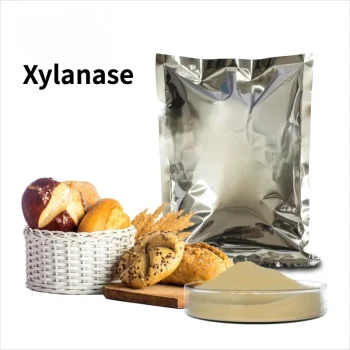 เอนไซม์สำหรับการอบขนมปัง
สารเติมแต่งอาหารเกรดสำหรับอบขนมปังไซลาเนสเฮมิเซลลูเลส
US$108.00ราคาเดิมคือ: US$108.00.US$97.99ราคาปัจจุบันอยู่ที่ : US$97.99. ซื้อ -
ขาย!
 ไซลาเนส
เอนไซม์ย่อยสลายไซแลน – ผงเอนไซม์ไซลาเนสที่เป็นกลาง
US$88.00ราคาเดิมคือ: US$88.00.US$79.99ราคาปัจจุบันอยู่ที่ : US$79.99. ซื้อ -
ขาย!
 เอนไซม์ในการผลิตเบียร์
เอนไซม์ไซลาเนสเพื่อปลดล็อกประสิทธิภาพของเวิร์ต
US$88.00ราคาเดิมคือ: US$88.00.US$79.99ราคาปัจจุบันอยู่ที่ : US$79.99. ซื้อ -
ขาย!
 ไซลาเนส
ผงเอนไซม์ไซลาเนสสำหรับการปรับปรุงคุณภาพการทำขนมปัง
US$82.00ราคาเดิมคือ: US$82.00.US$73.99ราคาปัจจุบันอยู่ที่ : US$73.99. ซื้อ -
ขาย!
 ไซลาเนส
เอนไซม์ไซลาเนสสำหรับอาหารสัตว์
US$87.00ราคาเดิมคือ: US$87.00.US$78.99ราคาปัจจุบันอยู่ที่ : US$78.99. ซื้อ -
ขาย!
 ไซลาเนส
ผงเอนไซม์ไซลาเนส กิจกรรมเอนไซม์ 10000u/g CAS 9025-57-4
US$107.77ราคาเดิมคือ: US$107.77.US$96.99ราคาปัจจุบันอยู่ที่ : US$96.99. ซื้อ -
ขาย!
 เอนไซม์ในการผลิตเบียร์
เอนไซม์ไซลาเนสสำหรับผู้ผลิตเบียร์
US$88.00ราคาเดิมคือ: US$88.00.US$79.99ราคาปัจจุบันอยู่ที่ : US$79.99. ซื้อ -
ขาย!
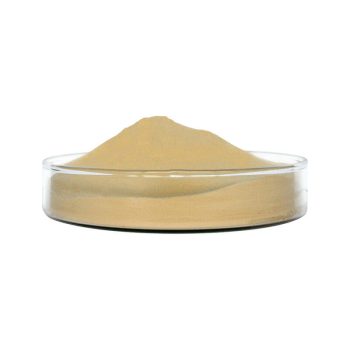 ไซลาเนส
เอนไซม์ไซลาเนสเฮมิเซลลูเลส 10000U/g CAS 9025-57-4 ที่ผ่านการรับรองฮาลาล
US$145.00ราคาเดิมคือ: US$145.00.US$130.99ราคาปัจจุบันอยู่ที่ : US$130.99. ซื้อ -
ขาย!
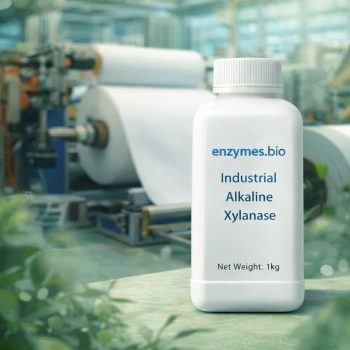 เอนไซม์จากเยื่อและกระดาษ
อัลคาไลน์ไซเลนเนสอุตสาหกรรมสำหรับการผลิตเยื่อและกระดาษ
US$143.33ราคาเดิมคือ: US$143.33.US$128.99ราคาปัจจุบันอยู่ที่ : US$128.99. ซื้อ -
ขาย!
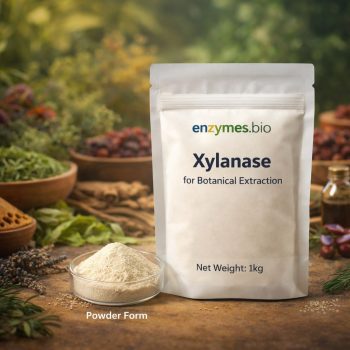 เอนไซม์สกัดจากพืช
ไซเลเนสสำหรับการสกัดจากพืช
US$143.33ราคาเดิมคือ: US$143.33.US$128.99ราคาปัจจุบันอยู่ที่ : US$128.99. ซื้อ
ทำไมต้องเลือกซื้อยีลานเอสจาก enzymes.bio?
ปริมาณการสั่งซื้อขั้นต่ำต่ำ เริ่มต้นที่ 1 กิโลกรัม
ปริมาณการสั่งซื้อที่ยืดหยุ่น ตั้งแต่ตัวอย่างจากการวิจัยและพัฒนาไปจนถึงการผลิตเต็มรูปแบบ ขยายขนาดการผลิตเมื่อพร้อม.
การเตรียมการตามความต้องการ
ทีมเทคนิคของเราทำการคิดค้นสูตรเตรียมเอนไซม์ตามความต้องการเฉพาะของคุณ.
การขนส่งทั่วโลก
บริการจัดส่งสินค้าผ่าน DHL, FedEx และ USPS ไปยังกว่า 180 ประเทศทั่วโลก พร้อมระบบติดตามสินค้าอย่างครบถ้วน รองรับการจัดส่งแบบควบคุมอุณหภูมิสำหรับสินค้าที่ต้องการความเย็น.
ฝ่ายสนับสนุนทางเทคนิค
คำแนะนำในการใช้งานจากผู้เชี่ยวชาญด้านเอนไซม์ของเราเกี่ยวกับการใช้ปริมาณที่เหมาะสม ความเสถียร และการปรับสูตร.