
Dodávateľ enzýmu xylanázy vo veľkom
Ako funguje xylanáza
Reže xylanové reťazce
Endo-xylanáza štiepi vnútorné xylosidové väzby, čím rýchlo znižuje viskozitu arabinoxylanu a uvoľňuje rozpustné oligoméry na následné spracovanie alebo fermentáciu.
Prerozdeľuje vodu na cesto
V pšeničnej múke xylanáza rozpúšťa arabinoxylány viažuce vodu - prenáša viazanú vodu do lepku a škrobu, čím zlepšuje rozťažnosť cesta a pružnosť pri pečení.
Rozbíja bunkové steny
V krmivách a biopalivách xylanáza rozkladá polysacharidy bunkových stien rastlín, čím uvoľňuje živiny a fermentovateľné cukry, ktoré sú inak uzamknuté v hemicelulóze.
Aplikácie xylanázy podľa odvetvia
Pečenie
Zvyšuje objem bochníka o 10-15%, zlepšuje štruktúru omrviniek a predlžuje trvanlivosť. Používa sa do chleba, rožkov, tortily a iných výrobkov na báze pšenice.
Krmivo pre zvieratá
Znižuje viskozitu tráveniny vo výžive hydiny a ošípaných, zlepšuje pomer konverzie krmiva a energetickú stráviteľnosť krmív na báze pšenice, raže a jačmeňa.
Celulóza a papier
Predbežné bielenie sulfátovej buničiny xylanázou znižuje potrebu chlóru až o 20%, čím znižuje náklady a zároveň zlepšuje jas buničiny a jej environmentálny profil.
Biopalivo
Rozkladá hemicelulózu v lignocelulózovej biomase a uvoľňuje fermentovateľné pentózové cukry, čím zvyšuje výťažok etanolu pri výrobe bioetanolu druhej generácie.
Pivovarníctvo a nápoje
Znižuje viskozitu mladiny v pšeničných a ražných pivách, zlepšuje rýchlosť sýtenia a filtráciu. Používa sa aj pri čírení džúsov a výrobe ovocných vín.
Použitie xylanázy: Podrobnosti o procese, dávkovanie a parametre
Pečenie a spracovanie múky
Pečenie | Modifikácia arabinoxylanu a zlepšenie cesta
Funkcia: Xylanáza hydrolyzuje arabinoxylány (pentozány) v pšeničnej múke, pričom uvoľňuje vo vode nerozpustné arabinoxylány a zlepšuje rozťažnosť cesta, redistribúciu vody a tvorbu lepkovej siete. Tým sa skracuje čas miešania, zlepšuje sa spracovateľnosť a vytvára sa otvorenejšia štruktúra mrveničky - čo je obzvlášť cenné pri celozrnných výrobkoch a výrobkoch s vysokým obsahom vlákniny.
Typické dávkovanie: 0,5-5 ppm na základe hmotnosti múky; pridať priamo do múky alebo vo fáze miešania; pH 5-6 v ceste
Aplikácie: Chlieb na panvicu, celozrnný chlieb, bageta, chlieb s vysokým obsahom vlákniny, priemyselná výroba chleba, mrazené cesto.
Súvisiaci sprievodca: Enzýmy na pečenie - príručka dávkovania xylanázy, amylázy a zlepšovača cesta →
Krmivo pre zvieratá
Výroba krmív | Zníženie obsahu antinutričných faktorov (ANF)
Funkcia: Arabinoxylány vo výžive na báze pšenice, raže a jačmeňa zvyšujú črevnú viskozitu, čím znižujú absorpciu živín a zhoršujú vlhkú podstielku u hydiny. Exogénna xylanáza hydrolyzuje tieto arabinoxylány spôsobujúce viskozitu, čím zlepšuje stráviteľnosť živín a využitie energie. Tým sa znižujú náklady na krmivo a zlepšuje sa rastová výkonnosť.
Typické dávkovanie: 500 - 2000 U/g krmiva; na peletovanie sú potrebné termostabilné stupne (≥ 85 °C); kombinácia s beta-glukanázou pre maximálny účinok v jačmennej strave
Aplikácie: Pšeničné krmivá pre brojlery a nosnice, ražné a jačmenné diéty, pšenično-obilné diéty pre ošípané, krmivá pre vodné živočíchy s rastlinnými bielkovinami.
Buničina a papier (bielenie)
Výroba papiera | Bielenie bez chlóru
Funkcia: Xylanáza odstraňuje xylan, ktorý sa opätovne ukladá na celulózové vlákna počas varenia sulfátovej buničiny a ktorý blokuje prienik bieliacich chemikálií. Enzymatické odstraňovanie xylanu (predbežné biologické bielenie) znižuje potrebu oxidu chloričitého pri bielení ECF o 15-25% a zlepšuje konečný jas buničiny. Ide o komerčne najvýznamnejšie priemyselné použitie xylanázy.
Typické dávkovanie: 0,05-0,2% w/w na buničinu; 50-60 °C; pH 7-9 (vyžaduje sa alkalicky stabilná xylanáza); 1-2 hodiny pred bielením
Aplikácie: Bielenie kraftovej buničiny ECF, sekvencie bielenia TCF, zlepšenie jasu papiera, zníženie nákladov na bieliace chemikálie.
Biopalivá a biorafinérie
Lignocelulózová biomasa | Sacharizácia hemicelulózy
Funkcia: Xylan (hemicelulóza) tvorí 15-30% poľnohospodárskej biomasy a je druhým najrozšírenejším polysacharidom po celulóze. Xylanáza hydrolyzuje xylan na xylózu, ktorá môže byť kvasinkami kvasiacimi pentózami fermentovaná na etanol alebo premenená na xylitol. Xylanáza tiež zlepšuje prístupnosť celulózy v biomase odstránením hemicelulózového plášťa.
Typické dávkovanie: 0,05-0,2% w/w na suchú biomasu; 50-55 °C; pH 5-6; 24-48 hodín; kombinovať s celulázou pre maximálnu konverziu biomasy
Aplikácie: 2G bioetanol z poľnohospodárskych zvyškov, výroba xylózy, výroba xylitolu, valorizácia vedľajších bioproduktov.
Pivovarníctvo a nápoje
Varenie piva | Zlepšenie viskozity a filtrácie mladiny
Funkcia: Arabinoxylány prispievajú k viskozite mladiny a odolnosti voči filtrácii, najmä pri výrobe pšeničného piva a jačmenných prídavkov. Hydrolýza xylanázou znižuje viskozitu mladiny a zlepšuje účinnosť sýtenia a filtrácie. V kombinácii s beta-glukanázou je xylanáza štandardnou súčasťou kokteilov enzýmov pre prídavné pivovary pre obilné účty s vysokou viskozitou.
Typické dávkovanie: 0,01-0,05% w/w; pridať počas rmutovania; 55-65 °C; 30-60 minút
Aplikácie: Pšeničné pivo, prídavné varenie jačmeňa, ražné pivo, spracovanie ovseného stoutu, optimalizácia prídavného varenia.
Produkty s obsahom xylanázy sú teraz k dispozícii
-
Výpredaj!
 xylanáza
Xylanázový enzým na výrobu chleba – 5 500 j/g prášok
US$75.00Pôvodná cena bola: US$75.00.US$67.99Aktuálna cena je: US$67.99. Nákup -
Výpredaj!
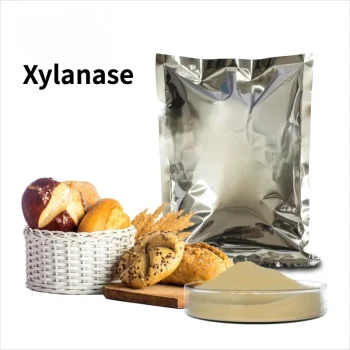 Enzýmy na pečenie chleba
Xylanáza hemiceluláza Potravinová prísada na pečenie chleba
US$108.00Pôvodná cena bola: US$108.00.US$97.99Aktuálna cena je: US$97.99. Nákup -
Výpredaj!
 xylanáza
Enzýmy degradujúce xylan – Neutrálny prášok xylanázového enzýmu
US$88.00Pôvodná cena bola: US$88.00.US$79.99Aktuálna cena je: US$79.99. Nákup -
Výpredaj!
 Enzýmy na varenie piva
Xylanázový enzým na uvoľnenie výkonu mladiny
US$88.00Pôvodná cena bola: US$88.00.US$79.99Aktuálna cena je: US$79.99. Nákup -
Výpredaj!
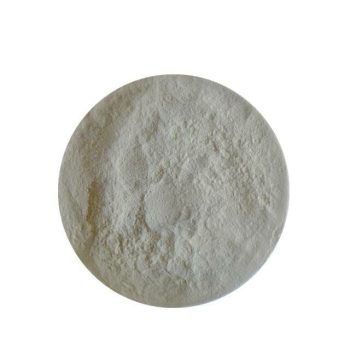 xylanáza
Xylanázový enzýmový prášok na zlepšenie kvality výroby chleba
US$82.00Pôvodná cena bola: US$82.00.US$73.99Aktuálna cena je: US$73.99. Nákup -
Výpredaj!
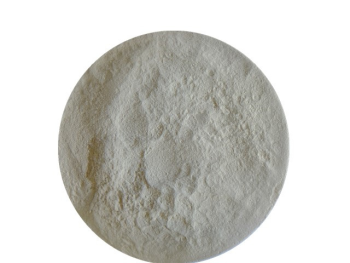 xylanáza
Xylanázová enzýmová výživa zvierat
US$87.00Pôvodná cena bola: US$87.00.US$78.99Aktuálna cena je: US$78.99. Nákup -
Výpredaj!
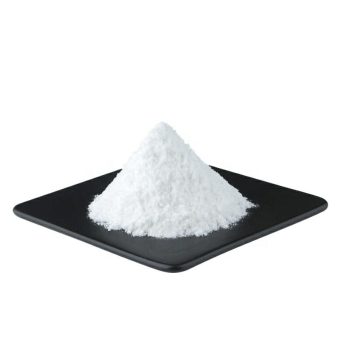 xylanáza
Enzymatická aktivita prášku xylanázy 10 000 u/g CAS 9025-57-4
US$107.77Pôvodná cena bola: US$107.77.US$96.99Aktuálna cena je: US$96.99. Nákup -
Výpredaj!
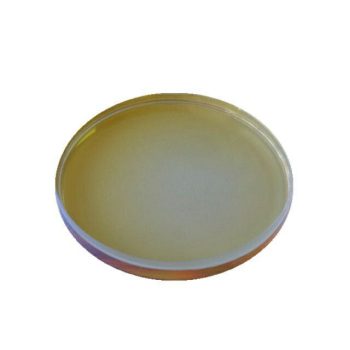 Enzýmy na varenie piva
Xylanázový enzým pre pivovarníkov
US$88.00Pôvodná cena bola: US$88.00.US$79.99Aktuálna cena je: US$79.99. Nákup -
Výpredaj!
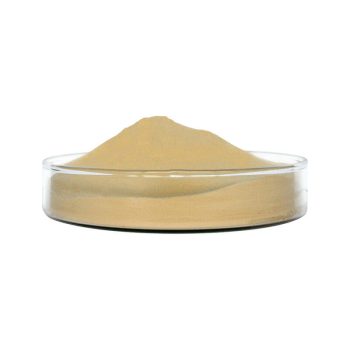 xylanáza
Halal certifikované xylanázové hemicelulázové enzýmy 10000 U/g CAS 9025-57-4
US$145.00Pôvodná cena bola: US$145.00.US$130.99Aktuálna cena je: US$130.99. Nákup -
Výpredaj!
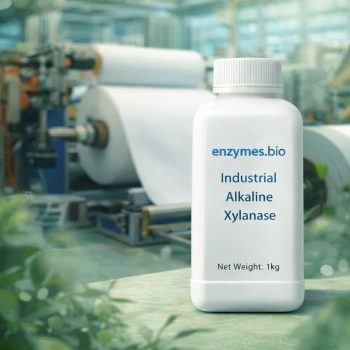 Buničina a papier Enzýmy
Priemyselná alkalická xylanáza na spracovanie celulózy a papiera
US$143.33Pôvodná cena bola: US$143.33.US$128.99Aktuálna cena je: US$128.99. Nákup -
Výpredaj!
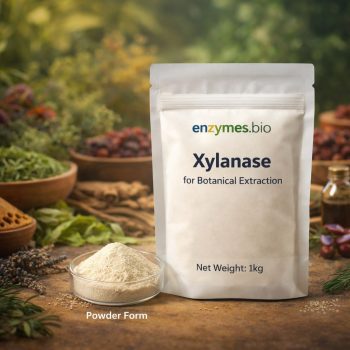 Rastlinné extrakčné enzýmy
Xylanáza na extrakciu botanických látok
US$143.33Pôvodná cena bola: US$143.33.US$128.99Aktuálna cena je: US$128.99. Nákup
Prečo zdroj xylanázy od spoločnosti enzymes.bio?
Nízke MOQ od 1 kg
Flexibilné množstvá objednávok od vzoriek pre výskum a vývoj až po celé výrobné série. Zvyšujte objem, keď ste pripravení.
Vlastné prípravky
Náš technický tím pripravuje enzýmové prípravky na mieru, aby presne zodpovedali vašim špecifikáciám.
Globálna preprava
DHL, FedEx a USPS plnenie do viac ako 180 krajín s úplným sledovaním. K dispozícii je aj preprava v studenom reťazci.
Technická podpora
Poradenstvo pri aplikácii od našich špecialistov na enzýmy týkajúce sa dávkovania, stability a zloženia.