ビール醸造業界 Enzymes.Bio Pul2 の食品グレード プルラナーゼ
導入
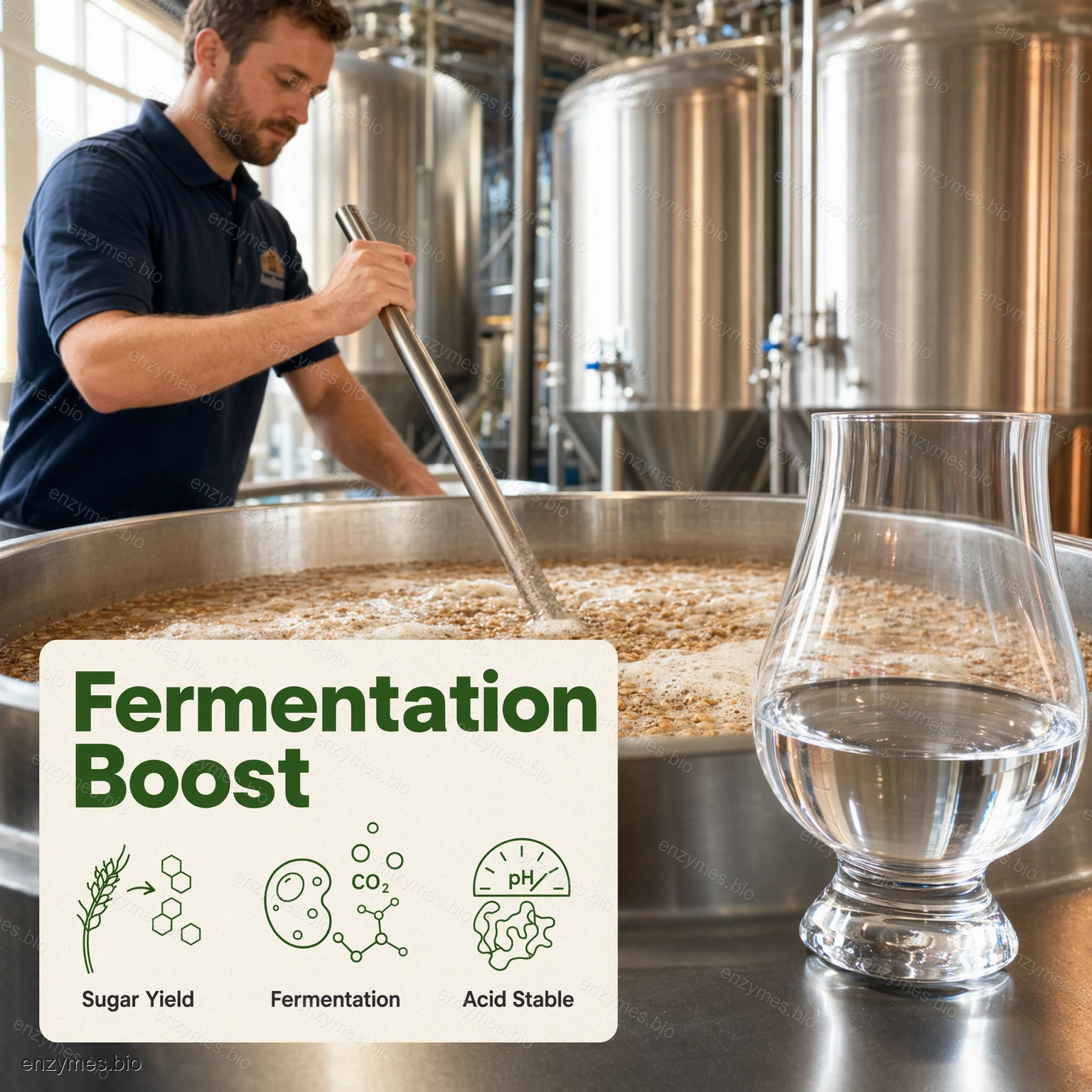
この製品は、Bacillus Licheniformisの深い発酵によって得られます。ビール、澱粉糖、グルタミン酸ナトリウム、アルコール工業の製造に広く使用されています。この酵素は、低pHで熱的に安定な脱分解酵素(デンプンα-1,6-グルコシダーゼ)です。α-1,6-グルコシド結合を加水分解し、分岐鎖デンプンに効果的に作用し、他の酵素(グルコアミラーゼ、真菌α-アミラーゼ)と協働します。そのため、反応速度を速め、グルコアミラーゼとマルトースの含量を向上させることができます。
ユニットの定義
1単位のプルラナーゼは、pH5.8、50℃で1分間にプルランから1µmolの還元糖(グルコースとして計算)を遊離させるのに必要な酵素量に相当します。
特徴
| 宣言された活動 | 2000単位/ml |
| 生産組織 | 枯草菌 |
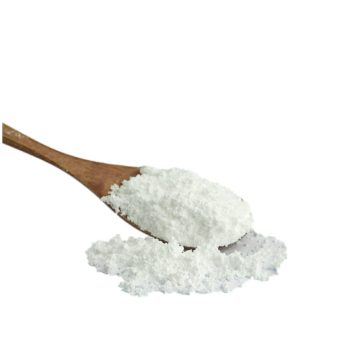
| 物理的な形状 | 液体 |
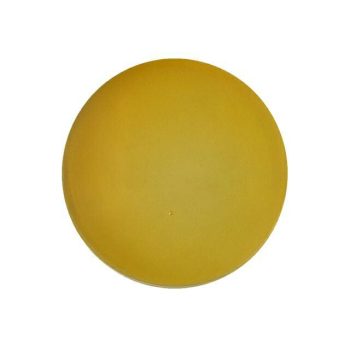
| 色 | 茶色。色はロットごとに異なります。色の濃さは酵素の活性を示すものではありません。 |
| 臭い | 通常の微生物発酵臭。 |
仕様
| アイテム | 下限 | 上限 |
| 酵素活性 | 2000単位/ml | |
| 鉛 | 5mg/kg | |
| 砒素 | 3mg/kg | |
| 総生存数 | 50,000 CFU/g | |
| 大腸菌群 | 30 CFU/g | |
| 大腸菌 | 10 CFU/g 3 MPN/g | |
| サルモネラ | 検出されず/25g |
使用量
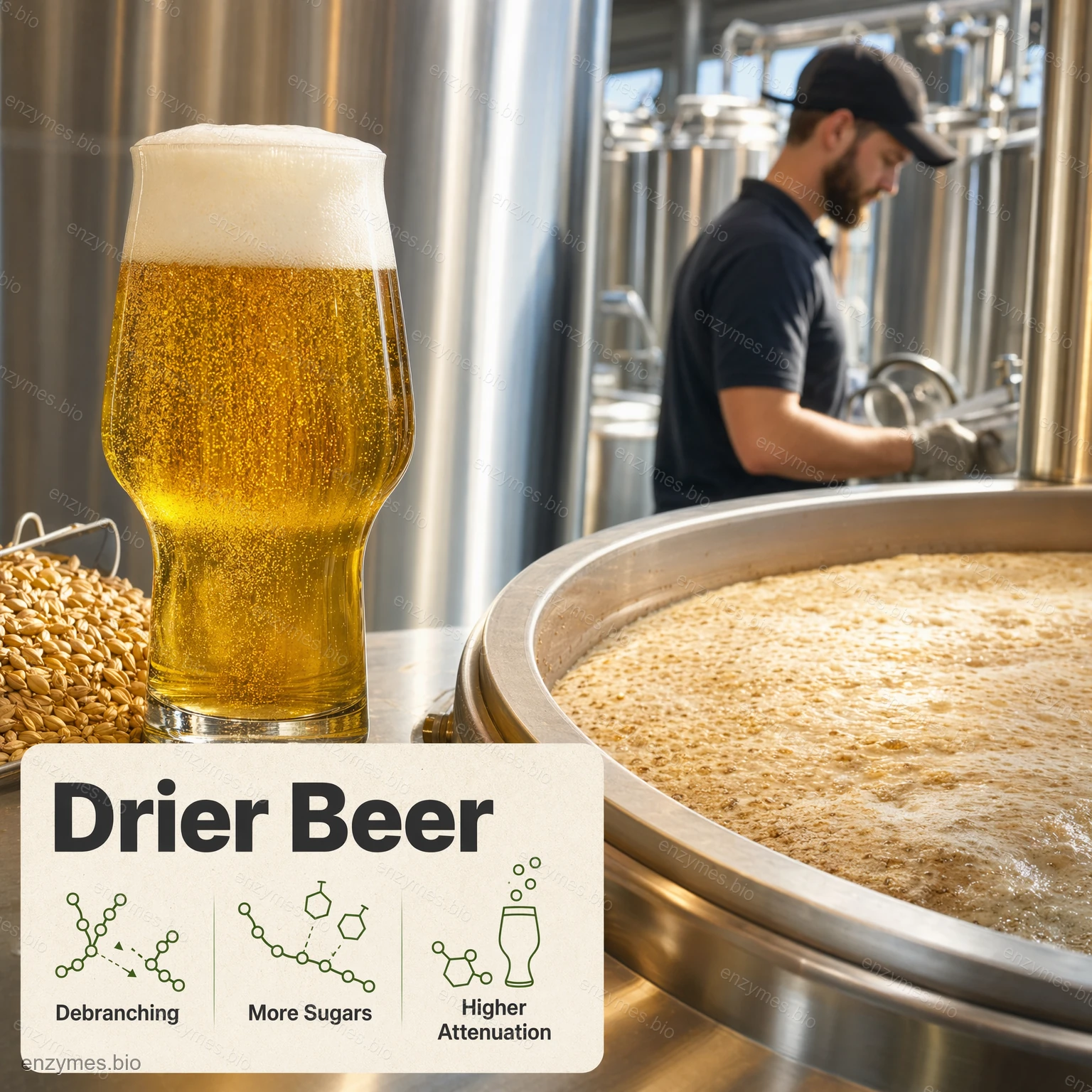
ビールの製造 推奨される施用量は、全原料1トンあたり酵素製剤0.4~0.8リットルです。プルラナーゼはアミロペクチン含有量を低減し、辛口ビールを製造することができます。.
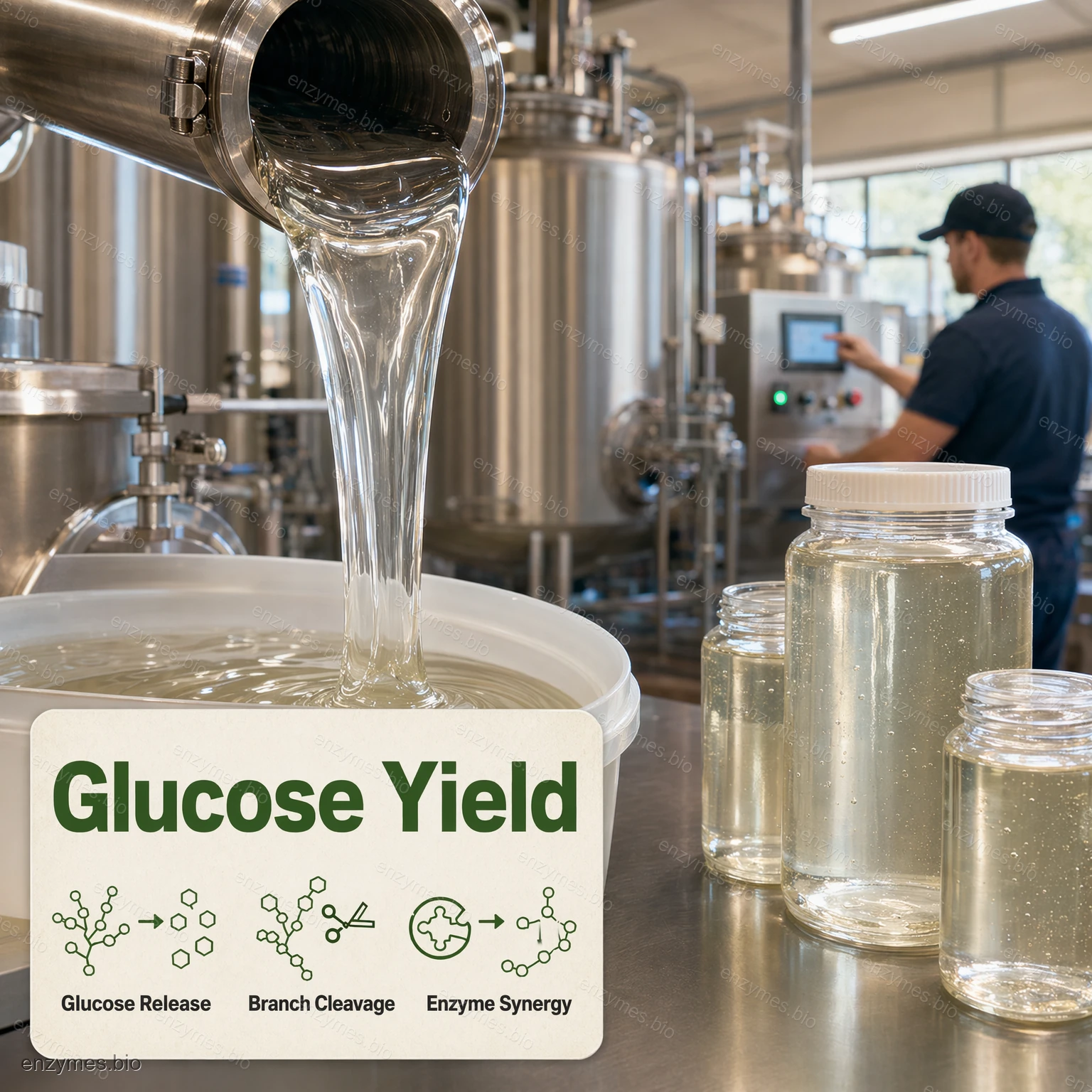
グルコースの製造 推奨施用量は乾燥デンプン1トンあたり0.35~0.6Lです。糖化工程ではプルラナーゼとグルコアミラーゼを併用します。プルラナーゼを使用することでアミロペクチン含有量を減らし、グルコース収率を向上させることができ、グルコアミラーゼの使用量を削減できます。.
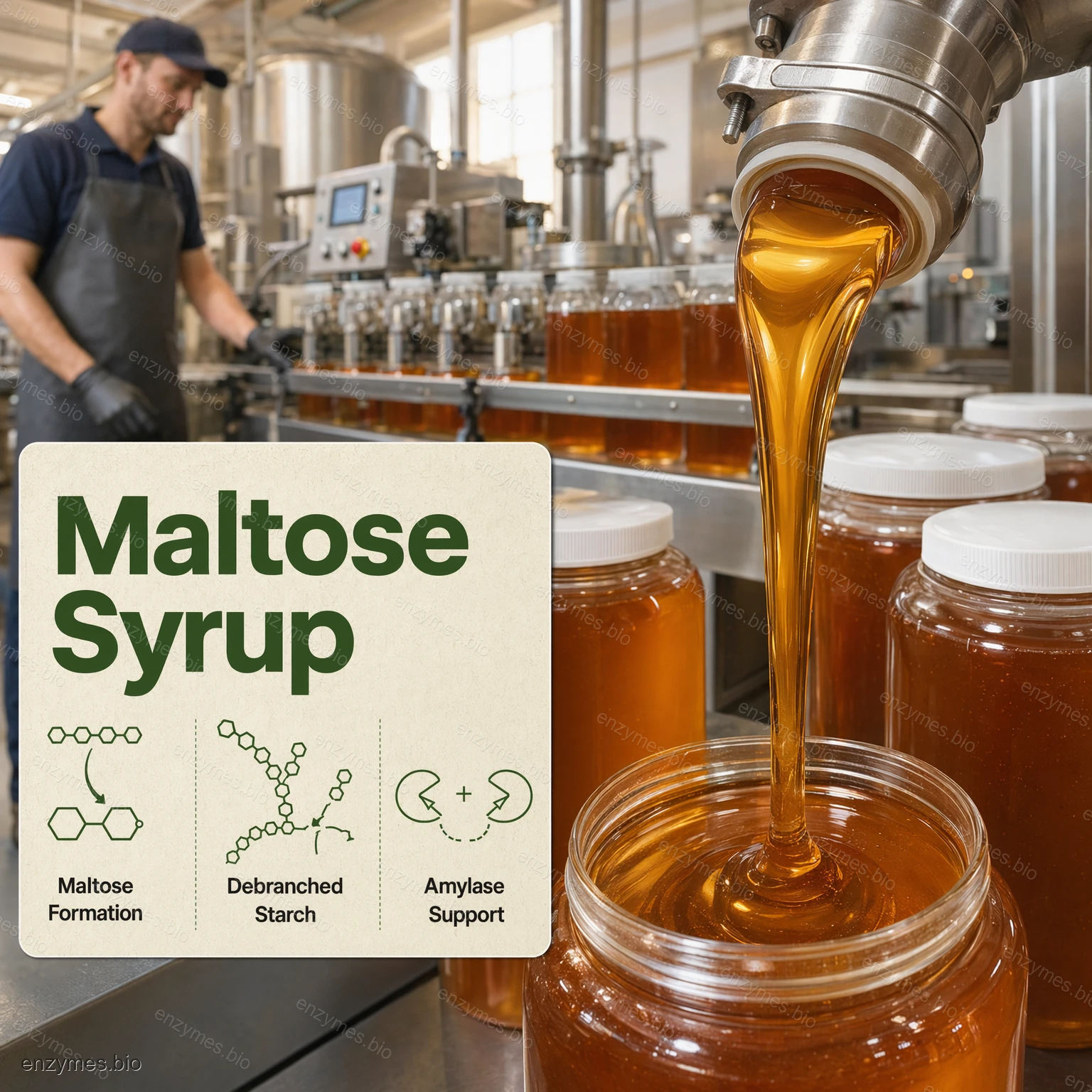
マルトースの製造 推奨される施用量は、乾燥デンプン1トンあたり1~2リットルです。プルラナーゼと真菌性α-アミラーゼは、糖化工程で併用できます。プルラナーゼを使用することで、マルトースの収率が向上し、70%のマルトース含有量を持つマルトースシロップを製造できます。.
パッケージ
包装仕様:1kg/袋。
保管
| 賞味期限は | 推奨通りに保管した場合、製品は配達日から 6 か月以内に使用するのが最適です。 |
| 保存期間 | 25℃で6ヶ月間保存した場合、活性は90%以上を維持し、12ヶ月間保存した場合、活性は80%以上を維持します。使用期限後は使用量を増やしてください。. |
| 保管条件 | 本製品は、直射日光、高温、湿気を避け、密閉容器に入れて涼しく乾燥した場所に保管してください。本製品は最適な安定性を実現するように配合されています。長期間の保管や、高温多湿などの悪条件下では、使用量を増やす必要がある場合があります。. |
安全性
酵素製剤はタンパク質であり、感作を引き起こし、感作された人にアレルギー様反応を引き起こす可能性があります。長時間接触すると、皮膚、目、または鼻粘膜に軽度の刺激を与えることがあるため、皮膚への直接接触は避けてください。皮膚や目に刺激やアレルギー反応が現れた場合は、医師にご相談ください。.