
Сыпучие ферменты для переработки рыбы для промышленности
Как работают ферменты для переработки рыбы
Оптимизированный гидролиз белка
Высокоактивные протеазы для переработки рыбы улучшают расщепление белка, выход и усвояемость рыбной муки и гидролизованных продуктов.
Промышленное снабжение оптом
Надежное крупносерийное производство с постоянными характеристиками активности ферментов для непрерывных операций переработки.
Глобальная логистическая поддержка
Стабильные составы с документально подтвержденным сроком годности и готовой к экспорту упаковкой для международных рынков морепродуктов и аквакультуры.
Виды ферментов для переработки рыбы
Щелочная протеаза
Hydrolyzes fish proteins for fish meal, collagen hydrolysate, and protein concentrate production.
Липаза
Reduces fishy odour and improves oil quality in fish processing and aquaculture feed formulation.
Фитаза
Releases bound phosphorus from plant-based feed ingredients to improve nutrition and reduce waste discharge.
Бета-глюканаза
Degrades beta-glucans in aquaculture feed to improve digestibility and feed conversion ratio.
Целлюлаза
Breaks down plant fibre in aquatic feed for improved nutrient availability and growth performance.
Fish Processing Enzyme Guide: Functions, Dosage & Applications
Щелочная протеаза
Fish Protein Hydrolysis for Hydrolyzate & Sauce Production
Функция: Alkaline protease is the primary enzyme for fish protein hydrolysis (FPH) — converting whole fish, fish trim, and fish processing by-products into soluble protein hydrolyzates, amino acid concentrates, and bioactive peptides. It operates efficiently at pH 7.5–9.0, degrading myosin, actin, and collagen at rates significantly faster than autolysis or acid hydrolysis.
Обычная дозировка: 0.1–0.5% w/w of fish substrate. Activity: 100,000–800,000 U/g. Temperature optimum: 45–55°C, pH 7.5–9.0. Hydrolysis time: 2–6 hours for 50–80% degree of hydrolysis. Inactivate by heat (85°C/15 min) or pH adjustment (below 4.0). Recover protein by centrifugation.
Приложения: Fish protein hydrolyzate (FPH) for aquaculture feed and pet food, fish sauce acceleration (reduce traditional 12–18 month fermentation to 2–4 weeks), fish silage for fertilizer, bone meal deproteinization, marine collagen hydrolyzate.
Покупайте оптом: Bulk Protease — alkaline protease for fish protein hydrolysate production →
Липаза
Fish Oil Hydrolysis & Omega-3 Enrichment
Функция: Lipase hydrolyzes fish oil triglycerides to release free fatty acids including EPA and DHA (omega-3 long-chain polyunsaturated fatty acids). Enzymatic hydrolysis produces a glycerol-free omega-3 concentrate in free fatty acid form — which has higher bioavailability than triglyceride-form omega-3. Also used for flavor modification in fermented fish products (anchovy, shrimp paste).
Обычная дозировка: 0.05–0.2% w/w of fish oil. Activity: 10,000–100,000 LU/g. Temperature optimum: 30–45°C (lipase is denatured at higher temperatures that degrade omega-3 fatty acids). Contact time: 4–12 hours. Separate FFAs from glycerol by molecular distillation or chromatography.
Приложения: Omega-3 free fatty acid concentrate production, fish oil partial hydrolysis for emulsification, fermented fish product flavor development (fish sauce, anchovy paste), fish oil by-product valorization.
Покупайте оптом: Bulk Lipase — lipase for fish oil hydrolysis & omega-3 enrichment →
Фитаза
Phosphorus Bioavailability in Aquaculture Feed
Функция: Phytase degrades phytic acid (inositol hexaphosphate) in plant-based feed ingredients — soybean meal, canola, wheat bran, corn DDGS — releasing the bound phosphorus for fish absorption. Monogastric fish and shellfish have negligible endogenous phytase, so the phosphorus in plant ingredients is largely unavailable without enzyme supplementation. Phytase also releases protein, minerals, and energy bound in the phytate complex.
Обычная дозировка: 500–1,000 FTU/kg feed (Phytase Units). Add to premix during feed pelleting at ≤70°C (thermostable variant) or coat onto pellet post-pelleting (standard variant). Reduces supplemental dicalcium phosphate requirement by 30–60%, cutting feed cost and reducing effluent phosphorus.
Приложения: Salmon, tilapia, shrimp, carp, catfish, and pangasius feeds. Mandatory in environmentally certified aquaculture (ASC, BAP) to reduce phosphorus discharge to waterways. Particularly effective in high-inclusion soybean meal diets.
Покупайте оптом: Bulk Phytase — thermostable phytase for aquafeed phosphorus release →
Бета-глюканаза
Fiber Digestion for Improved Feed Conversion in Aquaculture
Функция: Beta-glucanase degrades beta-1,3 and beta-1,4 glucans in plant-based aquafeed ingredients — particularly barley, oats, and yeast cell walls. These viscous glucans reduce gut transit rate, interfere with nutrient absorption, and increase intestinal mucus production in fish. Beta-glucanase reduces digesta viscosity, improving nutrient absorption and feed conversion ratio (FCR).
Обычная дозировка: 200–800 U/kg feed. Add at premix stage or to feed ingredients before pelleting. Compatible with phytase and cellulase in multi-enzyme feed supplements.
Приложения: Barley and oat-containing aquafeeds, high-inclusion cereal diets for omnivorous species (tilapia, carp, catfish), yeast-supplemented immunostimulant diets for salmonids.
Целлюлаза
Plant Fiber Breakdown for Herbivorous & Omnivorous Fish Species
Функция: Cellulase degrades cellulose in the cell walls of plant ingredients used in fish feed — soybean meal, alfalfa, wheat bran, and other fibrous materials. Fish and shellfish produce no endogenous cellulase. Exogenous cellulase disrupts plant cell walls, releasing nutrients trapped within, improves dry matter digestibility, and reduces intestinal load of indigestible fiber.
Обычная дозировка: 1,000–5,000 U/kg feed. Add at premix or ingredient milling stage. Synergistic with beta-glucanase and hemicellulase in multi-carbohydrase blends for maximum fiber breakdown.
Приложения: Tilapia, grass carp, silver carp, and other herbivorous/omnivorous species with plant-dominant diets. Shrimp and prawn diets with algae or plant meal inclusions. Also used in abalone and sea urchin feeds (high seaweed inclusion).
Покупайте оптом: Bulk Cellulase — cellulase for plant fiber digestion in aquafeed →
Наши ферменты для переработки рыбы
-
Распродажа!
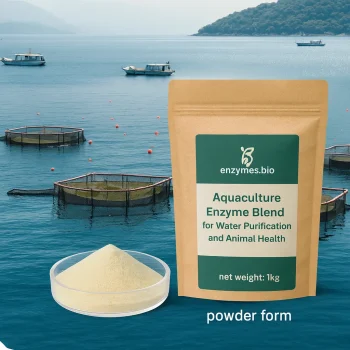 Ферменты для аквакультуры
Смесь ферментов для аквакультуры для очистки воды и здоровья животных
$116.66Первоначальная цена была: $116.66.$104.99Текущая цена: $104.99. Купить -
Распродажа!
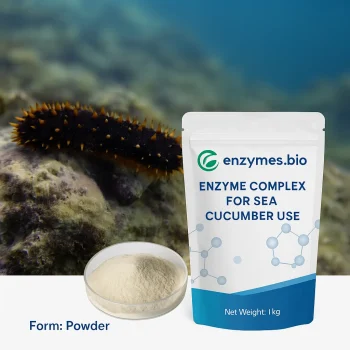 Ферменты для аквакультуры
Комплекс ферментов морского огурца - кормовая добавка для аквакультуры
$121.10Первоначальная цена была: $121.10.$108.99Текущая цена: $108.99. Купить -
Распродажа!
 Ферменты для аквакультуры
Энзимный комплекс для крабов - биологическая кормовая добавка для аквакультуры крабов
$121.10Первоначальная цена была: $121.10.$108.99Текущая цена: $108.99. Купить -
Распродажа!
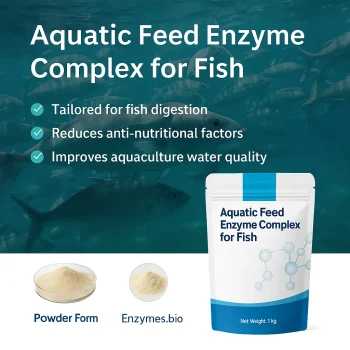 Ферменты для аквакультуры
Ферментный комплекс для рыб
$121.10Первоначальная цена была: $121.10.$108.99Текущая цена: $108.99. Купить -
Распродажа!
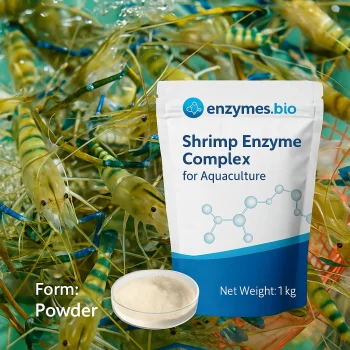 Ферменты для аквакультуры
Shrimp Enzyme Complex - мультиэнзимная кормовая добавка для креветок
$121.10Первоначальная цена была: $121.10.$108.99Текущая цена: $108.99. Купить
Почему именно ферменты для переработки рыбы от enzymes.bio?
Низкий MOQ от 1 кг
Гибкие объемы заказов для образцов, предназначенных для исследований и разработок, или для полного цикла производства. Масштабируйте, когда будете готовы.
Возможна поставка смесей на заказ
Вам нужно определенное соотношение ферментов или мультиэнзимный комплекс? Наша команда разрабатывает индивидуальные смеси для Вашего процесса.
Глобальная доставка
Доставка DHL, FedEx и USPS в 180+ стран. Для ферментов, чувствительных к температуре, возможна доставка по "холодной цепи".
Техническая поддержка
Руководство по применению и рекомендации по дозировке от наших специалистов по ферментам.