
Bulk Xylanase Enzyme Supplier
How Xylanase Works
Cuts Xylan Chains
Endo-xylanase cleaves internal xylosidic bonds, rapidly reducing arabinoxylan viscosity and releasing soluble oligomers for downstream processing or fermentation.
Redistributes Dough Water
In wheat flour, xylanase solubilizes water-binding arabinoxylans — transferring bound water to gluten and starch, improving dough extensibility and oven spring.
Breaks Down Cell Walls
In feed and biofuel, xylanase degrades plant cell wall polysaccharides, releasing nutrients and fermentable sugars otherwise locked inside hemicellulose.
Xylanase Applications by Industry
Ψήσιμο
Increases loaf volume by 10–15%, improves crumb texture, and extends shelf life. Used in bread, rolls, tortillas, and other wheat-based products.
Ζωοτροφές
Reduces digesta viscosity in poultry and swine diets, improving feed conversion ratio and energy digestibility of wheat, rye, and barley-based feeds.
Χαρτί και χαρτοπολτός
Pre-bleaching kraft pulp with xylanase reduces chlorine chemical demand by up to 20%, cutting costs while improving pulp brightness and environmental profile.
Biofuel
Degrades hemicellulose in lignocellulosic biomass to release fermentable pentose sugars, improving ethanol yield in second-generation bioethanol production.
Ζυθοποιία & Ποτά
Reduces wort viscosity in wheat and rye beers, improving lautering speed and filtration. Also used in juice clarification and fruit wine production.
Xylanase Applications: Process Details, Dosage & Parameters
Baking & Flour Treatment
Baking | Arabinoxylan Modification & Dough Improvement
Λειτουργία: Xylanase hydrolyzes arabinoxylans (pentosans) in wheat flour, releasing water-binding insoluble arabinoxylans and improving dough extensibility, water redistribution, and gluten network formation. This reduces mixing time, improves machinability, and produces a more open crumb structure — especially valuable for whole wheat and high-fiber formulations.
Τυπική δοσολογία: 0.5–5 ppm based on flour weight; add directly to flour or at mixing stage; pH 5–6 in dough
Εφαρμογές: Pan bread, whole wheat bread, baguette, high-fiber bread, industrial bread production, frozen dough.
Related guide: Baking Enzymes — xylanase, amylase & dough improver dosage guide →
Ζωοτροφές
Feed Manufacturing | Anti-Nutritional Factor (ANF) Reduction
Λειτουργία: Arabinoxylans in wheat, rye, and barley-based diets increase intestinal viscosity, reducing nutrient absorption and worsening wet litter in poultry. Exogenous xylanase hydrolyzes these viscosity-causing arabinoxylans, improving nutrient digestibility and energy utilization. This reduces feed cost and improves growth performance.
Τυπική δοσολογία: 500–2,000 U/g feed; thermostable grades required for pelleting (≥85°C); combine with beta-glucanase for maximum effect in barley diets
Εφαρμογές: Wheat-based broiler and layer feeds, rye and barley diets, swine wheat-bran diets, aquafeed with plant proteins.
Pulp & Paper (Bleach Boosting)
Paper Manufacturing | Chlorine-Free Bleaching
Λειτουργία: Xylanase removes xylan redeposited on cellulose fibers during kraft pulp cooking, which blocks bleaching chemical penetration. Enzymatic xylan removal (bio-bleaching pre-treatment) reduces chlorine dioxide demand in ECF bleaching by 15–25% and improves final pulp brightness. This is the most commercially significant industrial xylanase application.
Τυπική δοσολογία: 0.05–0.2% w/w on pulp; 50–60°C; pH 7–9 (alkaline-stable xylanase required); 1–2 hours pre-bleach treatment
Εφαρμογές: Kraft pulp ECF bleaching, TCF bleaching sequences, paper brightness improvement, bleach chemical cost reduction.
Biofuel & Biorefinery
Lignocellulosic Biomass | Hemicellulose Saccharification
Λειτουργία: Xylan (hemicellulose) constitutes 15–30% of agricultural biomass and is the second most abundant polysaccharide after cellulose. Xylanase hydrolyzes xylan to xylose, which can be fermented to ethanol by pentose-fermenting yeasts or converted to xylitol. Xylanase also improves cellulose accessibility in biomass by removing hemicellulose sheathing.
Τυπική δοσολογία: 0.05–0.2% w/w on dry biomass; 50–55°C; pH 5–6; 24–48 hours; combine with cellulase for maximum biomass conversion
Εφαρμογές: 2G bioethanol from agricultural residues, xylose production, xylitol manufacturing, biorefinery co-product valorization.
Brewing & Beverages
Brewing | Wort Viscosity & Filtration Improvement
Λειτουργία: Arabinoxylans contribute to wort viscosity and filtration resistance, particularly in wheat beer and barley-adjunct brewing. Xylanase hydrolysis reduces wort viscosity and improves lautering and filtration efficiency. Combined with beta-glucanase, xylanase is standard in adjunct brewing enzyme cocktails for high-viscosity grain bills.
Τυπική δοσολογία: 0.01–0.05% w/w; add during mashing; 55–65°C; 30–60 minutes
Εφαρμογές: Wheat beer, barley adjunct brewing, rye beer, oat stout processing, adjunct mashing optimization.
Xylanase Products Available Now
-
Πώληση!
 Ξυλανάση
Ένζυμο ξυλανάσης για παρασκευή ψωμιού – 5.500 u/g σκόνης
$75.00Η αρχική τιμή ήταν: $75.00.$67.99Η τρέχουσα τιμή είναι: $67.99. Αγορά -
Πώληση!
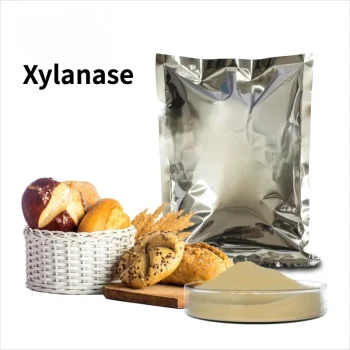 Ένζυμα για το ψήσιμο του ψωμιού
Πρόσθετο ψησίματος για ψωμί Xylanase Hemicellulase
$108.00Η αρχική τιμή ήταν: $108.00.$97.99Η τρέχουσα τιμή είναι: $97.99. Αγορά -
Πώληση!
 Ξυλανάση
Ένζυμα αποικοδόμησης ξυλάνης – ουδέτερη σκόνη ενζύμου ξυλανάσης
$88.00Η αρχική τιμή ήταν: $88.00.$79.99Η τρέχουσα τιμή είναι: $79.99. Αγορά -
Πώληση!
 Ένζυμα παρασκευής μπύρας
Ένζυμο ξυλανάσης για το ξεκλείδωμα της απόδοσης του μούστου
$88.00Η αρχική τιμή ήταν: $88.00.$79.99Η τρέχουσα τιμή είναι: $79.99. Αγορά -
Πώληση!
 Ξυλανάση
Σκόνη ενζύμου ξυλανάσης για τη βελτίωση της ποιότητας παρασκευής ψωμιού
$82.00Η αρχική τιμή ήταν: $82.00.$73.99Η τρέχουσα τιμή είναι: $73.99. Αγορά -
Πώληση!
 Ξυλανάση
Διατροφή ζώων με ένζυμο ξυλανάσης
$87.00Η αρχική τιμή ήταν: $87.00.$78.99Η τρέχουσα τιμή είναι: $78.99. Αγορά -
Πώληση!
 Ξυλανάση
Xylanase Enzyme Powder Enzymatic Activity 10000u/g CAS 9025-57-4
$107.77Η αρχική τιμή ήταν: $107.77.$96.99Η τρέχουσα τιμή είναι: $96.99. Αγορά -
Πώληση!
 Ένζυμα παρασκευής μπύρας
Ένζυμο ξυλανάσης για ζυθοποιούς
$88.00Η αρχική τιμή ήταν: $88.00.$79.99Η τρέχουσα τιμή είναι: $79.99. Αγορά -
Πώληση!
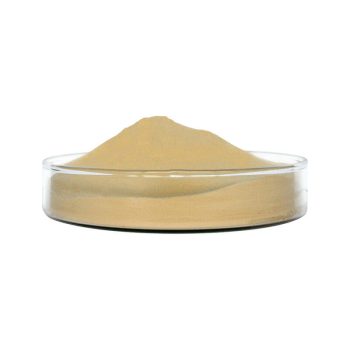 Ξυλανάση
Halal Certified Xylanase Hemicellulase Enzymes 10000U/g CAS 9025-57-4
$145.00Η αρχική τιμή ήταν: $145.00.$130.99Η τρέχουσα τιμή είναι: $130.99. Αγορά -
Πώληση!
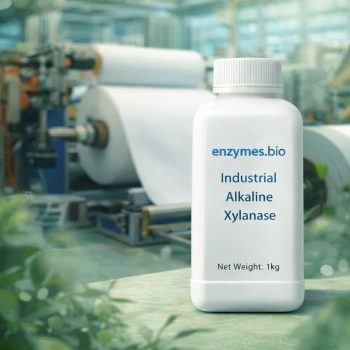 Ένζυμα πολτού και χαρτιού
Βιομηχανική αλκαλική ξυλανάση για την επεξεργασία χαρτοπολτού και χαρτιού
$143.33Η αρχική τιμή ήταν: $143.33.$128.99Η τρέχουσα τιμή είναι: $128.99. Αγορά -
Πώληση!
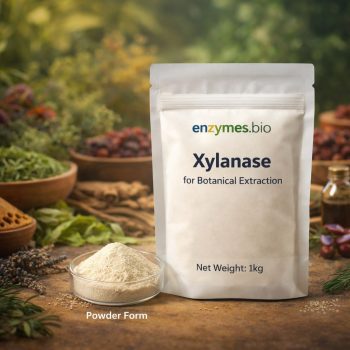 Βοτανικά ένζυμα εκχύλισης
Ξυλανάση για βοτανική εκχύλιση
$143.33Η αρχική τιμή ήταν: $143.33.$128.99Η τρέχουσα τιμή είναι: $128.99. Αγορά
Why Source Xylanase from enzymes.bio?
Χαμηλό MOQ από 1 kg
Ευέλικτες ποσότητες παραγγελίας από δείγματα Ε&Α έως πλήρη παραγωγή. Κλιμάκωση όταν είστε έτοιμοι.
Προσαρμοσμένες προετοιμασίες
Η τεχνική μας ομάδα διαμορφώνει προσαρμοσμένα παρασκευάσματα ενζύμων που ανταποκρίνονται στις ακριβείς προδιαγραφές σας.
Παγκόσμια ναυτιλία
DHL, FedEx και USPS σε 180+ χώρες με πλήρη παρακολούθηση. Διαθέσιμη αποστολή με ψυχρή αλυσίδα.
Τεχνική υποστήριξη
Καθοδήγηση εφαρμογής από τους ειδικούς μας στα ένζυμα σχετικά με τη δοσολογία, τη σταθερότητα και τη σύνθεση.