
Bulk Lipase Enzyme Supplier
How Lipase Works
Hydrolyzes Triglycerides
Lipase acts at the lipid-water interface to cleave ester bonds in fats and oils, releasing free fatty acids. Sn-1,3 specific lipases selectively target outer positions, producing partial glycerides useful as emulsifiers.
Generates Dough Emulsifiers
In baking, lipase converts non-polar flour lipids into polar lysophospholipids that function as natural emulsifiers, improving dough stability, loaf volume, and crumb softness — replacing added chemical emulsifiers.
Removes Fat Stains
Alkaline lipase in laundry detergents hydrolyzes triglyceride-based fat stains (cooking oil, sebum, butter) at 30–60°C wash temperatures, enabling effective cleaning at lower wash temperatures.
Lipase Applications by Industry
Sütés
Generates lysophospholipids from flour lipids, acting as natural emulsifiers. Improves dough stability, gas retention, and loaf volume by 5–10%. Replaces DATEM and SSL in clean-label formulations.
Tejtermékek
Accelerates lipolysis in cheese ripening, producing characteristic short-chain fatty acids (butyric, caproic, caprylic) that develop the flavor profile of aged cheeses. Also used in butter oil flavor development.
Állati takarmány
Improves fat digestibility and energy utilization in poultry and swine diets, particularly for feeds containing saturated fats and tallow. Increases emulsification of dietary fats in the small intestine.
Detergents & Cleaning
Alkaline lipase removes fat-based soiling (sebum, cooking oil, grease) in laundry and industrial cleaning products. Active at pH 8–11, 30–60°C — compatible with most detergent formulations.
Papíripari rostanyag és papír
Controls lipophilic extractives (pitch and stickies) in recycled fiber and kraft pulp processing. Reduces deposit formation on paper machine equipment and improves runnability.
Lipase Applications: Process Details, Dosage & Parameters
Sütés és lisztkezelés
Baking | Lipid Modification & Crumb Structure
Funkció: Lipase hydrolyzes wheat lipids to lysophospholipids and monoacylglycerols, which act as natural emulsifiers — improving dough stability, gas retention, crumb structure, and volume. This replaces or reduces synthetic emulsifiers (DATEM, SSL) in clean-label formulations. Lipase interacts synergistically with xylanase and amylase for comprehensive dough improvement.
Tipikus adagolás: 10–50 ppm based on flour weight; add directly to flour or at mixing stage; active at dough pH 5–6
Alkalmazások: Pan bread, sandwich bread, brioche, toast bread, industrial soft bread with extended shelf life, clean-label emulsifier replacement.
Kapcsolódó útmutató: Baking Enzymes — lipase, amylase & xylanase for bread emulsification →
Dairy & Cheese Production
Dairy | Flavor Development & Fat Modification
Funkció: Lipase releases free fatty acids from milk fat, contributing characteristic sharp and piquant flavors in Italian-style cheeses (Romano, Parmesan, Provolone) and accelerating ripening in aged cheeses. Pre-gastric esterase (PGE) lipases from kid, lamb, or calf sources provide authentic Italian cheese flavors; microbial lipases offer GRAS-compliant alternatives.
Tipikus adagolás: 0.002–0.05% w/w; add to cheese milk with rennet; temperature and pH per cheese type; aging time determines flavor intensity
Alkalmazások: Romano and Parmesan flavor development, blue cheese lipolysis, enzyme-modified cheese (EMC) production, butter flavor enhancement.
Kapcsolódó útmutató: Dairy Enzymes — lipase, chymosin & lactase for cheese & dairy processing →
Állati takarmány
Feed Manufacturing | Fat Digestibility Improvement
Funkció: Exogenous lipase improves fat digestibility in young animals (piglets, broiler chicks) with immature bile salt secretion and low intrinsic lipase output. Supplemental lipase is particularly effective in diets containing difficult-to-digest fats (tallow, palm fat, saturated fatty acid sources) with high stearic or palmitic acid content.
Tipikus adagolás: 100–500 U/g feed; thermostable grades for pelleting; co-supplementation with emulsifiers (lysolecithin) enhances efficacy at high fat inclusion
Alkalmazások: Piglet nursery diets, broiler starter/grower feeds, high-fat diet fat utilization, fatty acid digestibility improvement in rendered fat diets.
Detergents & Cleaning
Detergent Formulation | Grease & Oil Stain Removal
Funkció: Alkaline lipase (pH optimum 8–11) is the standard fat-removal enzyme in laundry and dishwashing detergents. It hydrolyzes fatty acid ester bonds in triglycerides (cooking oil, butter, grease, sebum), converting insoluble fat stains to water-soluble fatty acid soaps and glycerol. Cold-active lipases function effectively at 15–30°C, reducing energy costs.
Tipikus adagolás: 0.01–0.1% v/v in liquid detergent; 0.1–1.0% w/w in powder; formulation pH 8–11; combine with protease and amylase
Alkalmazások: Laundry detergents, automatic dishwashing, industrial kitchen cleaning, grease trap treatment, textile scouring.
Kapcsolódó útmutató: Detergent Enzymes — lipase, protease & amylase for laundry formulation →
Pulp & Paper (Pitch Control)
Paper Manufacturing | Wood Resin (Pitch) Removal
Funkció: Wood resins (pitch) — primarily triglycerides from wood extractives — cause paper machine runnability problems (deposits, holes, holes, breaks) and print quality defects. Lipase hydrolyzes triglyceride pitch components at the pulp mill wet-end, reducing pitch deposits by 60–80% and improving paper machine efficiency without chemical pitch control agents.
Tipikus adagolás: 0.01–0.05% w/w on dry pulp; 40–50°C; pH 5–8; 30–90 minutes in pulp chest before paper machine
Alkalmazások: Mechanical pulp pitch control, TMP and CTMP pitch reduction, newsprint and tissue quality improvement, reducing chemical pitch control agents.
Lipase Products Available Now
-
Eladás!
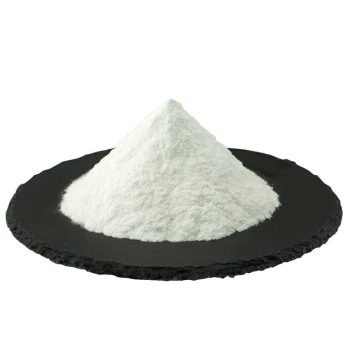 Lipáz
LipázLipáz enzim por enzimatikus aktivitás 100 000 u/g lipáz élelmiszer minőségű
US$144.44Eredeti ára: US$144.44.US$129.99Jelenlegi ára: US$129.99. Vásárlás -
Eladás!
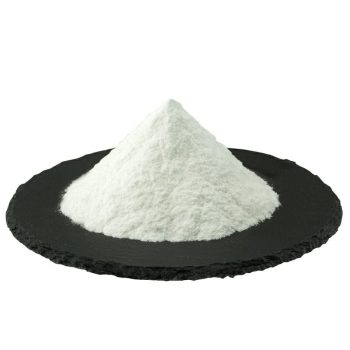 Lipáz
LipázLipáz enzim por enzimaktivitás 20000 u/g lipáz élelmiszer minőségű
US$106.00Eredeti ára: US$106.00.US$95.99Jelenlegi ára: US$95.99. Vásárlás -
Eladás!
 Enzimek takarmányhoz
Állattenyésztési takarmány enzimek Lipáz enzim ≥20 000 u/g CAS 232-619-9
US$66.00Eredeti ára: US$66.00.US$59.99Jelenlegi ára: US$59.99. Vásárlás -
Eladás!
 Enzimek kenyérsütéshez
Lipáz enzim por pékeknek – 120 000 e/g – Lipáz enzim kenyérsütéshez
US$197.00Eredeti ára: US$197.00.US$177.99Jelenlegi ára: US$177.99. Vásárlás -
Eladás!
 Élelmiszer-minőségű enzimek
Lipáz enzimpor CAS 100 000 e/g
US$222.00Eredeti ára: US$222.00.US$199.99Jelenlegi ára: US$199.99. Vásárlás -
Eladás!
 Élelmiszer-minőségű enzimek
Foszfolipáz kenyérkészítés javító – sütőipari enzimek
US$182.00Eredeti ára: US$182.00.US$163.99Jelenlegi ára: US$163.99. Vásárlás -
Eladás!
 Bőrfeldolgozó enzimek
Savas lipáz bőr zsírtalanítási folyamatához
US$87.00Eredeti ára: US$87.00.US$78.99Jelenlegi ára: US$78.99. Vásárlás -
Eladás!
 Lipáz
LipázMagas koncentrátumú élelmiszer-adalékanyag-kiegészítő árú enzimpor lipáz kenyérsajtokhoz
US$154.00Eredeti ára: US$154.00.US$138.99Jelenlegi ára: US$138.99. Vásárlás -
Eladás!
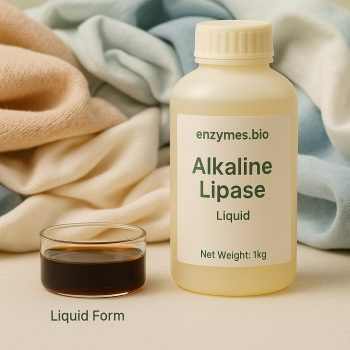 Mosószer enzimek
Ipari minőségű alkáli lipáz
US$127.77Eredeti ára: US$127.77.US$114.99Jelenlegi ára: US$114.99. Vásárlás -
Eladás!
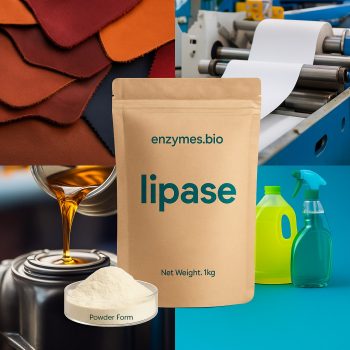 Lipáz
LipázIpari lipáz enzim - többcélú biokatalizátor zsír- és olajhidrolízishez
US$148.88Eredeti ára: US$148.88.US$133.99Jelenlegi ára: US$133.99. Vásárlás -
Eladás!
 Lipáz
LipázAlkáli lipáz papír és cellulóz feldolgozás
US$88.00Eredeti ára: US$88.00.US$79.99Jelenlegi ára: US$79.99. Vásárlás
Why Source Lipase from enzymes.bio?
Alacsony MOQ 1 kg-tól
Rugalmas rendelési mennyiségek a K+F mintáktól a teljes gyártási sorozatig. Készenléti állapotban növelhető.
Egyedi előkészületek
Technikai csapatunk egyedi enzimkészítményeket állít össze az Ön pontos specifikációjának megfelelően.
Globális szállítás
DHL, FedEx és USPS teljesítés 180+ országba, teljes nyomon követéssel. Hidegláncos szállítás elérhető.
Technikai támogatás
Alkalmazási útmutatás enzimszakértőinktől az adagolással, a stabilitással és a formulázással kapcsolatban.