
Leverandør af mælkeenzymer i bulk til industrien
Sådan virker mælkeenzymer
Klar til bulkproduktion
Stabile aktivitetsniveauer og skalerbare mængder designet til kontinuerlige mejeriproduktionslinjer.
Overholdelse af fødevarekvalitet
Mælkeenzymer af fødevarekvalitet med klare specifikationer, aktivitetsenheder og dokumentation til myndighedsgennemgang.
Pålidelig global forsyning
Ensartet batchkvalitet og pålidelig eksportlogistik til langsigtede leveringskontrakter.
Enzymtyper til mejeriformål
Chymosin
Koagulerer mælkeproteiner for at danne ostemasse - det første vigtige trin i osteproduktionen.
Lipase
Udvikler karakteristisk smag i lagrede oste ved selektivt at hydrolysere mælkefedt.
Lactase
Omdanner laktose til glukose og galaktose til laktosefri mælk, yoghurt og is.
Neutral protease
Fremskynder ostens modning for at udvikle tekstur, mundfølelse og smagsdybde.
Catalase
Eliminerer rester af hydrogenperoxid i mælk efter antimikrobiel behandling, hvilket sikrer produktsikkerheden.
Guide til mælkeenzymer: Funktioner, dosering og anvendelser
Chymosin (Løbe)
Koagulering af mælk til osteproduktion
Fungere: Chymosin er en protease, der specifikt spalter kappa-kasein ved Phe105-Met106-bindingen, hvilket destabiliserer kaseinmiceller og udløser mælkegelering. Mikrobielt chymosin (fermenteret) er funktionelt identisk med kalveløbe og er det mest anvendte koaguleringsmiddel i industriel osteproduktion på verdensplan.
Typisk dosering: 0,01-0,03 g/L mælk. Aktiviteten udtrykkes typisk som IMCU (International Milk Clotting Units). Doseringen varierer med mælkens temperatur (28-34 °C optimalt), pH (6,4-6,6 optimalt) og koncentrationen af calciumioner. Højere calcium accelererer koaguleringen.
Ansøgninger: Hård ost (cheddar, gouda, parmesan), halvhård ost, blød ost (brie, camembert), frisk ost, kvark. Foretrækkes frem for animalsk osteløbe til kosher/halal-certificeret produktion.
Lipase
Lipolyse til udvikling af ostesmag
Fungere: Lipase hydrolyserer mælketriglycerider til frie fedtsyrer (FFA), som er de primære drivkræfter bag smagen i lagrede oste og specialoste. Kortkædede FFA'er (C4-C8) giver skarpe, pikante noter i Romano og Parmesan. Mellemkædede FFA'er (C10-C12) udvikler en cremet, smøragtig karakter i blødere varianter.
Typisk dosering: 0,002-0,05% w/w af mælk. Pre-gastrisk esterase (PGE) fra kid/lam giver traditionelle pikante noter; mikrobielle lipaser giver en mere kontrolleret og ensartet aktivitet. Overdosering forårsager sæbeagtige smagsfejl - vigtigt at validere i stor skala.
Ansøgninger: Italienske hårde oste (parmesan, romano, pecorino), blåskimmelost, enzymmodnede sorter, smørsmagsforbedring. Bruges også til at fremskynde modningen i industriel cheddarproduktion.
Køb stort ind: Bulk Lipase - mejerilipase til ændring af ostesmag og -fedt →.
Laktase (beta-galaktosidase)
Laktosehydrolyse til laktosefri mejeriprodukter
Fungere: Laktase spalter laktose til de enkelte monosakkarider - glukose og galaktose. Da ca. 65% af verdens befolkning har reduceret laktasepersistens efter barndommen, er laktosefri mejeriprodukter et af de hurtigst voksende produktsegmenter på verdensplan. Den resulterende glukose/galaktose forbedrer også opfattelsen af sødme uden tilsat sukker.
Typisk dosering: 0,01-0,10% v/v (flydende enzym) ved 4-6 °C til kold hydrolyse (6-12 timer) eller 0,001-0,01% ved 35-40 °C til varm hydrolyse (30-60 minutter). Kold hydrolyse foretrækkes kommercielt - kan tilsættes til pasteuriseret mælk in-line.
Ansøgninger: Laktosefri UHT-mælk, laktosefri yoghurt, laktosefri is, forarbejdning af vallepermeat, modermælkserstatning med lavt laktoseindhold. Forbedrer også teksturen i yoghurt ved at reducere laktosekrystallisering.
Køb stort ind: Bulk Lactase - neutral og sur laktase til laktosefri mejeriprodukter →.
Neutral protease
Accelereret ostemodning og reduktion af bitterhed
Fungere: Neutral protease hydrolyserer kasein- og valleproteiner ved neutral pH (6,0-7,5) og frigiver peptider og aminosyrer, der driver udviklingen af ostesmagen. I modsætning til alkalisk protease producerer den færre bitre peptider, hvilket gør den foretrukket til accelereret ostemodning, hvor kontrol af bismag er vigtig.
Typisk dosering: 0,001-0,01% w/v af mælk eller ostemasse. For at fremskynde modningen tilsættes enzymet til ostemassefræsningen eller injiceres efter presning. Aktivitet: 50.000-400.000 U/g. pH-optimum 6,0-7,0.
Ansøgninger: Fremskyndet modning af cheddar (reducerer modningstiden med 30-50%), flødeost, fremstilling af smelteost, mælkeproteinhydrolysater til modermælkserstatning. Bruges også i smagsenzymblandinger.
Køb stort ind: Bulk Protease - neutral og alkalisk protease til mejeriformål →.
Catalase
Fjernelse af hydrogenperoxid i koldpasteuriserede mejeriprodukter
Fungere: Katalase nedbryder hydrogenperoxid (H₂O₂) til vand og ilt. På markeder, hvor H₂O₂ er godkendt til kold pasteurisering af rå mælk (US FDA 21 CFR, forskellige asiatiske regler), skal resterende H₂O₂ neutraliseres før videre forarbejdning. Catalase giver hurtig, fuldstændig nedbrydning uden termisk behandling.
Typisk dosering: 100-300 U/L af behandlet mælk. Kontakttid: 10-30 minutter ved 4-8 °C før downstream-behandling. Bekræft fuldstændig H₂O₂-fjernelse med teststrimmel for peroxidaseaktivitet eller titrering.
Ansøgninger: H₂O₂-behandlet rå mælk, osteproduktion på markeder med kold pasteurisering, forarbejdning af mælkepulver, vallebehandling. Bruges også i tekstil- og fødevareforarbejdning til at fjerne H₂O₂ fra blegningstrin.
Køb stort ind: Bulk Catalase - katalase i fødevarekvalitet til fjernelse af H₂O₂ →.
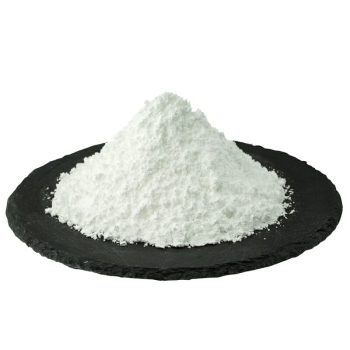
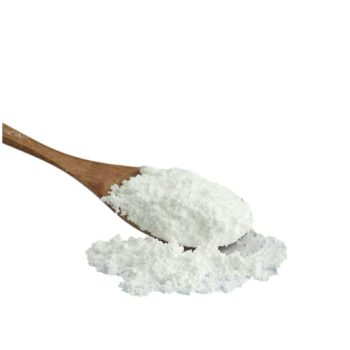
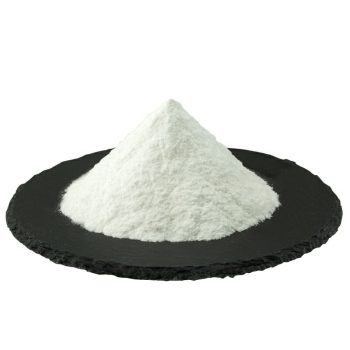
Vores mejeri-enzymprodukter
-
-
-
-
-
-
-
-
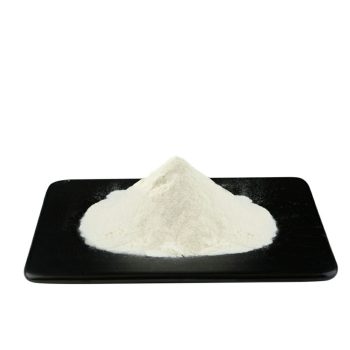
 Mejeri enzymer
Løbe 20.000 Vitality Cheese Yoghurt Koagulationsplante Papaya Kilde 500 g
US$308.99 Køb -
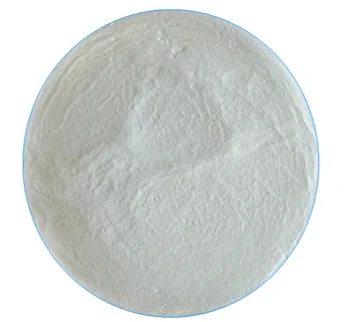
 Mejeri enzymer
Fremme osteyoghurtkoagulering med høj renhed osteløbe chymosin enzym chymosin
US$376.99 Køb -
Hvorfor Source Dairy Enzymes fra enzymes.bio?
Lav MOQ fra 1 kg
Fleksible ordremængder til R&D-prøver eller hele produktionsserier. Skaler op, når du er klar.
Tilpassede blandinger til rådighed
Har du brug for et specifikt enzymforhold eller et multi-enzymkompleks? Vores team formulerer skræddersyede blandinger til din proces.
Global forsendelse
DHL, FedEx og USPS leverer til mere end 180 lande. Koldkædeforsendelse tilgængelig for temperaturfølsomme enzymer.
Teknisk support
Anvendelsesvejledning og doseringsanbefalinger fra vores enzymspecialister.