Neiesaiņotu cepamo fermentu ražotājs rūpniecībai

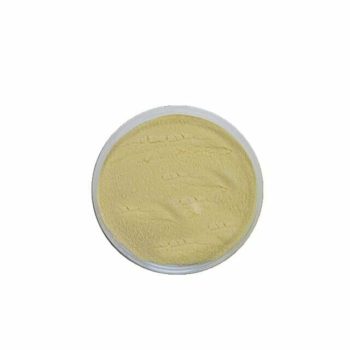
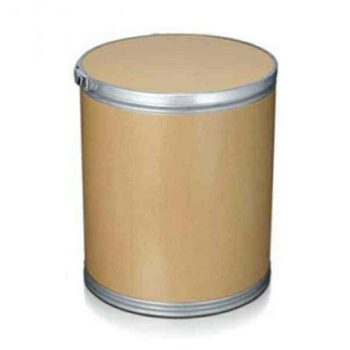
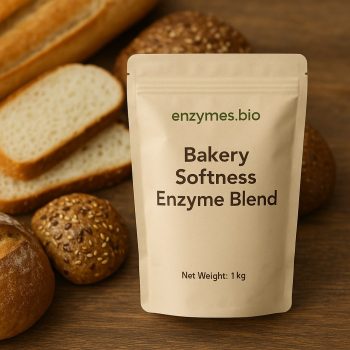
enzymes.bio ir maizes fermentu ražotājs, kas ražotājiem, pārstrādātājiem un formulatoriem visā pasaulē piegādā pārtikas fermentus. Mēs nodrošinām konsekventu darbību, tehnisko dokumentāciju un mērogojamu piegādi rūpnieciskai ražošanai.

Kā darbojas cepamie fermenti

Fermenti ir bioloģiski katalizatori, kas paātrina specifiskas bioķīmiskas reakcijas. Cepšanas fermentos tie nodrošina izmērāmus rezultātus bez smagām ķimikālijām.

Optimizēta mīklas veiktspēja

Uzlabojiet mīklas stabilitāti, apstrādājamību un gāzes saglabāšanu automatizētās maizes, bulciņu un kārtainās mīklas līnijās.

Nemainīga produktu kvalitāte

Standartizēta fermentu aktivitāte nodrošina viendabīgu drupatas struktūru, tilpumu un tekstūru partiju pēc partijas.

Uzticama piegāde bez taras

Rūpnieciska mēroga ražošana ar stabiliem izpildes termiņiem liela apjoma līgumiem fermentu cepšanas nozarē.

Fermentu veidi cepšanai

Izvēlieties savam procesam piemērotu fermentu. Mēs piegādājam atsevišķus fermentus un daudzenzīmu maisījumus cepšanas fermentu izmantošanai.
Alfa-amilāze

Breaks down starch into fermentable sugars, improving loaf volume, crumb softness, and crust color.

Maltogēnā amilāze

Delays starch retrogradation to extend bread softness and shelf life in packaged bakery products.

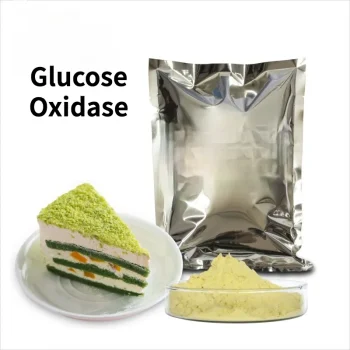
Glikozes oksidāze

Strengthens the gluten network by oxidising glucose, improving dough elasticity and gas retention.

Lipāze

Modifies flour lipids for natural emulsification, improving crumb structure and dough tolerance.

Ksilanāze

Degrades arabinoxylans in wheat flour to improve dough handling, water absorption, and loaf volume.

Baking Enzyme Guide: Functions, Dosage & Applications

Each enzyme class targets a different substrate in flour. Understanding the mechanism helps you choose the right enzyme, set the correct dosage, and avoid common formulation errors.

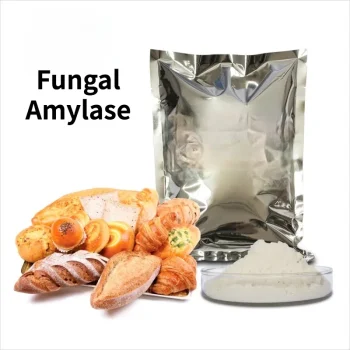
Alfa-amilāze

Starch Conversion for Dough Fermentation & Crust Color

Funkcija: Alpha-amylase cleaves internal α-1,4 glycosidic bonds in starch, releasing maltose and dextrin fragments that yeast ferments into CO₂. This accelerates fermentation, increases oven spring, deepens crust color via the Maillard reaction, and prevents over-firm crumb on cooling.

Tipiska deva: 1–10 ppm of flour weight. Standard powder activity: 10,000–40,000 U/g. Overdosing causes sticky, gummy crumb (‘amylase damage’) — always validate at scale before production. Thermostable variants extend activity into the oven.

Lietojumprogrammas: Pan bread, dinner rolls, sweet goods, crackers, flatbreads. Essential in flour standardization for millers. Often combined with xylanase for synergistic volume improvement.

Veikals bez taras: Bulk Amylase — alpha-amylase, glucoamylase & maltogenic amylase →

Pārlūkot alfa-amilāzes produktus →

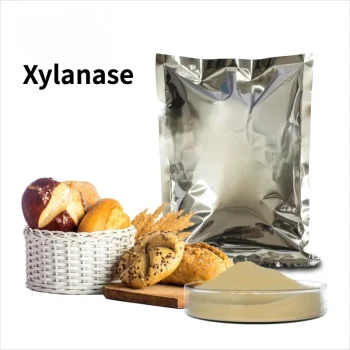
Xylanase (Hemicellulase)

Arabinoxylan Breakdown for Loaf Volume & Water Management

Funkcija: Xylanase hydrolyzes arabinoxylans (pentosans) in wheat flour cell walls. Arabinoxylans bind 10× their weight in water, competing with gluten for hydration. Xylanase releases this bound water back into the dough, improving gluten development, extensibility, and gas-holding capacity.

Tipiska deva: 0.5–5 ppm of flour weight. Activity: 5,000–50,000 XU/g. Works synergistically with alpha-amylase — combination typically increases loaf volume by 8–20% over either enzyme alone. Dosage depends on flour arabinoxylan content (higher in whole wheat).

Lietojumprogrammas: Whole wheat bread, baguette, high-fiber loaves, pan bread, hamburger buns. Particularly effective in high-extraction flours where arabinoxylan content is elevated.

Veikals bez taras: Bulk Xylanase — baking-grade & feed-grade xylanase →

Browse xylanase products →

Proteāze

Gluten Relaxation for Crackers, Pizza & Cookie Doughs

Funkcija: Protease cleaves peptide bonds in gluten proteins, reducing elasticity and dough resistance. Unlike amylase and xylanase, protease is used where less gluten strength is desirable — in crackers, cookies, and thin-crust pizza where extensibility must exceed elasticity.

Tipiska deva: 1–20 ppm of flour weight. Activity: 100,000–800,000 U/g (papain-based or microbial). Lower dosage for partial relaxation; higher dosage for reducing mix time by 15–30% in high-protein flour blends.

Lietojumprogrammas: Crackers, biscuits, pizza dough, soft cookies, flat breads, steamed buns. Also used to improve dough extensibility without tearing in high-protein blends.

Veikals bez taras: Bulk Protease — acid, neutral & alkaline protease for baking →

Pārlūkot proteāzes produktus →

Glikozes oksidāze

Chemical-Free Dough Strengthening & Oxidation

Funkcija: Glucose oxidase (GOX) oxidizes glucose to gluconic acid, producing hydrogen peroxide as a by-product. The H₂O₂ oxidizes sulfhydryl groups in gluten proteins, forming disulfide bonds that tighten the gluten network — a clean-label alternative to potassium bromate or ascorbic acid.

Tipiska deva: 5–30 ppm of flour weight. Activity: 10,000–50,000 U/g. Effect is dose-dependent and flour-specific. Works best with adequate fermentation time. Often combined with lipase for synergistic crumb improvement.

Lietojumprogrammas: Industrial pan bread, long-fermentation sourdough, frozen dough, high-hydration baguettes. Particularly valuable in markets where chemical oxidizers are restricted.

Browse glucose oxidase products →

Lipāze

Crumb Structure, Natural Emulsification & Shelf Life Extension

Funkcija: Lipase hydrolyzes wheat lipids to produce lysophospholipids — natural emulsifiers that interact with gluten proteins and starch granules. This mimics synthetic emulsifiers (DATEM, SSL) while remaining clean-label. Result: finer crumb, improved dough tolerance, and extended freshness.

Tipiska deva: 10–50 ppm of flour weight. Activity: 10,000–100,000 LU/g. Lower dosage for subtle crumb improvement; higher for full emulsifier replacement. Combine with maltogenic amylase for maximum shelf life extension (1–3 extra days freshness).

Lietojumprogrammas: Pan bread, sandwich bread, toast, burger buns, soft rolls, brioche. Effective in DATEM-free or clean-label product ranges.

Veikals bez taras: Bulk Lipase — baking lipase for emulsification & crumb structure →

Pārlūkot lipāzes produktus →

Mūsu cepšanas fermentu produkti

Pārlūkojiet mūsu pilno 23 cepšanas fermentu produktu klāstu. Visi produkti ir pieejami neiesaiņotā daudzumā ar tehnisko datu lapām un COA pēc pieprasījuma.

Kāpēc izmantot enzymes.bio cepamo fermentu avotu?

Zems MOQ no 1 kg

Elastīgi pasūtījumu daudzumi pētniecības un izstrādes paraugiem vai pilnām ražošanas sērijām. Palieliniet, kad esat gatavi.

Pieejami pielāgotie maisījumi

Nepieciešama specifiska enzīmu attiecība vai multienzīmu komplekss? Mūsu komanda izstrādā pielāgotus maisījumus jūsu procesam.

Piegāde visā pasaulē

DHL, FedEx un USPS piegāde uz vairāk nekā 180 valstīm. Temperatūrai jutīgiem fermentiem ir pieejama aukstās ķēdes piegāde.

Tehniskais atbalsts

Mūsu enzīmu speciālistu ieteikumi par lietošanu un dozēšanu.

Biežāk uzdotie jautājumi

We supply single enzymes and enzyme blends including alpha-amylase, maltogenic amylase, glucose oxidase, lipase, xylanase (hemicellulase), and protease. All products are food-grade with activity certificates and technical data sheets available on request.
Typical dosage is 1–10 ppm of flour weight, depending on the activity level (10,000–40,000 U/g) and your flour’s native amylase content. Always start at the lower end and validate at scale — excess amylase causes sticky, gummy crumb. For thermostable alpha-amylase, dosage may differ; refer to the product TDS.
Yes — xylanase is especially effective in whole wheat and high-extraction flours, which contain higher arabinoxylan content than refined white flour. It releases water bound to arabinoxylans, improving dough hydration, extensibility, and loaf volume. Recommended starting dosage in whole wheat: 2–5 ppm, combined with alpha-amylase for synergistic volume improvement.
They target completely different substrates. Alpha-amylase attacks starch (a glucose polymer), breaking it into fermentable sugars that fuel yeast. Xylanase attacks arabinoxylans (pentosans in cell walls), releasing bound water and improving dough extensibility. Both improve loaf volume but through different mechanisms — which is why they are often used in combination. Maltogenic amylase is a third type, working post-baking to delay starch retrogradation and extend shelf life.
Baking enzymes are classified as processing aids, not ingredients, because they are denatured by oven heat and leave no active residue in the finished product. Most organic certification bodies (EU Organic, USDA Organic) permit processing aids that meet the technical necessity standard. However, approval depends on your specific certifier and region. We can provide documentation supporting processing-aid status for your certification application.
Yes. Every product is supplied with a technical data sheet specifying activity (U/g or equivalent units), recommended dosage range, pH and temperature optimum, storage conditions, and shelf life. Certificates of Analysis (CoA) are issued per batch. Contact us for TDS files before ordering.
MOQ is typically 1 kg per product for standard enzyme powders. Custom blends (two or more enzyme types combined to your specification) start at 5 kg. We supply bakeries, premix manufacturers, and ingredient distributors of all sizes — from R&D labs ordering 1 kg samples to commercial manufacturers ordering 500+ kg per shipment.
Enzyme powders are dry-blended with flour or added during premix preparation before dough mixing. Dosage is optimized based on flour protein content, water absorption, and target process. Liquid enzyme concentrates can be dosed directly into dough water. We provide application guidance with every order.
Most food-grade baking enzymes have a shelf life of 12–24 months when stored at ≤25°C in original sealed packaging away from moisture. Thermostable preparations typically have higher stability. Opened bags should be resealed and used within 3 months. Full shelf life data is listed on each product page and TDS.
Yes. We develop compound bakery enzyme blends tailored to specific applications — sandwich bread, steamed buns, crackers, frozen dough, and more. Custom blends combine amylase, xylanase, lipase, glucose oxidase, and protease at defined activity ratios. Minimum order for custom blends is 5 kg. Lead time is 2–4 weeks for new formulations.

Sāciet iegādāties neiesaiņotus cepamos fermentus

Sazinieties ar mūsu komandu, lai pieprasītu specifikācijas, paraugus un apjoma cenas jūsu ražošanas vajadzībām.