エタノール産業用グルコアミラーゼ酵素。バイオ GA150L
導入
グルコアミラーゼは、黒色コウジカビの液中発酵によって生成され、その後精製および配合されます。この製品は、デンプン糖処理、アルコール発酵、蒸留、米酒、酢、醸造、有機酸、抗生物質発酵に使用されます。
特徴
| 宣言された活動 | 150,000単位/グラム |
| 生産組織 | アスペルギルス・ニガー |
| 物理的な形状 | 液体 |
| 色 | 茶色。色はロットごとに異なります。色の濃さは酵素の活性を示すものではありません。 |
| 臭い | 通常の微生物発酵臭。 |
*単位の定義:グルコアミラーゼ1単位は、40℃、pH4.6で1時間以内に可溶性デンプンを加水分解して1mgのグルコースを生成する酵素の量に相当します。
仕様
| いいえ。 | アイテム | 索引 | |
| 1 | 嵩密度/(g/ml) | 1.05-1.20 | |
| 2 | pH/(25℃) | 3.5~5.5 | |
| 3 | 鉛/(mg/kg) | ≤5.0 | |
| 4 | ヒ素/(mg/kg) | ≤3.0 | |
| 5 | 総生菌数/(CFU/mL) | ≤50,000 | |
| 6 | 大腸菌群/(CFU/mL) | ≤30 | |
| 7 | 大腸菌(CFU/mL) | ≤10 (MPN/mL) ≤3.0 | |
| 8 | サルモネラ/(25mL) | 検出されませんでした |
Application Rate
- Alcohol and ethanol industry: The recommended application rate is 0.6-1.0L per ton of total raw materials. Added at the beginning of saccharification after pH adjustment, then saccharifying at 60℃ and pH 4.0-4.5 for 30-60 minutes.
- Beer industry: The recommended application rate is 0.4-0.8L of the enzyme preparation per ton of total raw materials, added at mashing-in.
- Starch sugar industry: The recommended application rate is 0.5-1.0L per ton of dry starch when saccharifying at 60-63℃ and pH 4.3-4.5. Other industries: Glucoamylase can also be used in the processing of rice wine, edible vinegar, antibiotic, and citric acid industry, etc.
The application rate has to be optimized based on each application, the raw material specifications, product expectation, and processing parameters. It is better to begin the test with the convenient volume.
パッケージ
* パッケージ: 1kg/袋。
ストレージ
直射日光を避け、乾燥した涼しい場所に密封して保管してください。
貯蔵寿命
乾燥した涼しい場所で12か月。
一緒に使用する推奨製品
グルコアミラーゼを併用すると アミラーゼ, プロテアーゼ、 そして プルラナーゼ小麦粉製品全体の品質向上に貢献します。
アミラーゼ
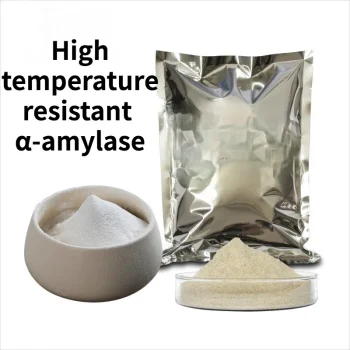
酵素の耐高温性により、デンプンを液化し、糊化しながら粘度を下げることが可能となり、デンプン糖加工および関連産業に多くの利益をもたらします。
プロテアーゼ
中性プロテアーゼは、枯草菌の液中発酵により生成され、精製・配合されたものであり、原料中のタンパク質を分解するアルコール発酵に広く利用されています。
プルラナーゼ
プルラナーゼは熱安定性のある枝切り酵素であり、低pHでも作用することができ、醸造、デンプン糖処理、グルタミン酸ナトリウム、アルコール発酵などに広く使用されています。
安全性
Enzyme preparations are proteins, which may induce sensitization and cause allergic type reactions in sensitized individuals. Prolonged contact may cause minor irritation for skin, eyes, or nasal mucosa, so any direct direct skin contact should be avoided. If irritation or allergic response for skin or eyes develops, consult a doctor.