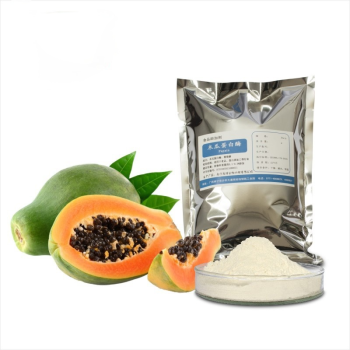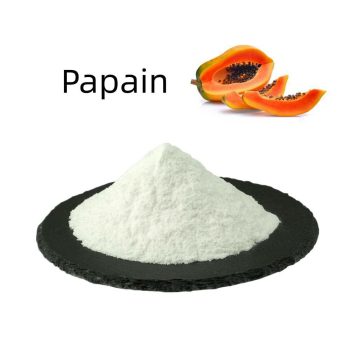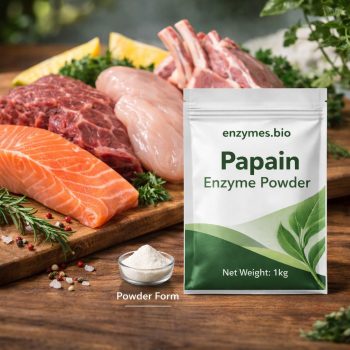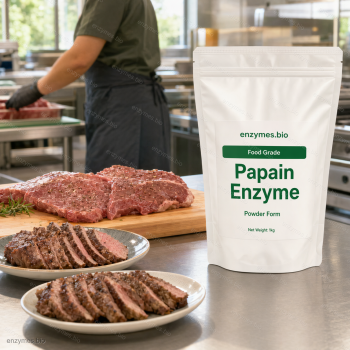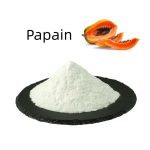




| Product Name | Papain |
| Active Ingredient | Papain |
| CAS No. | 9001-73-4 |
| Appearance | White Powder |
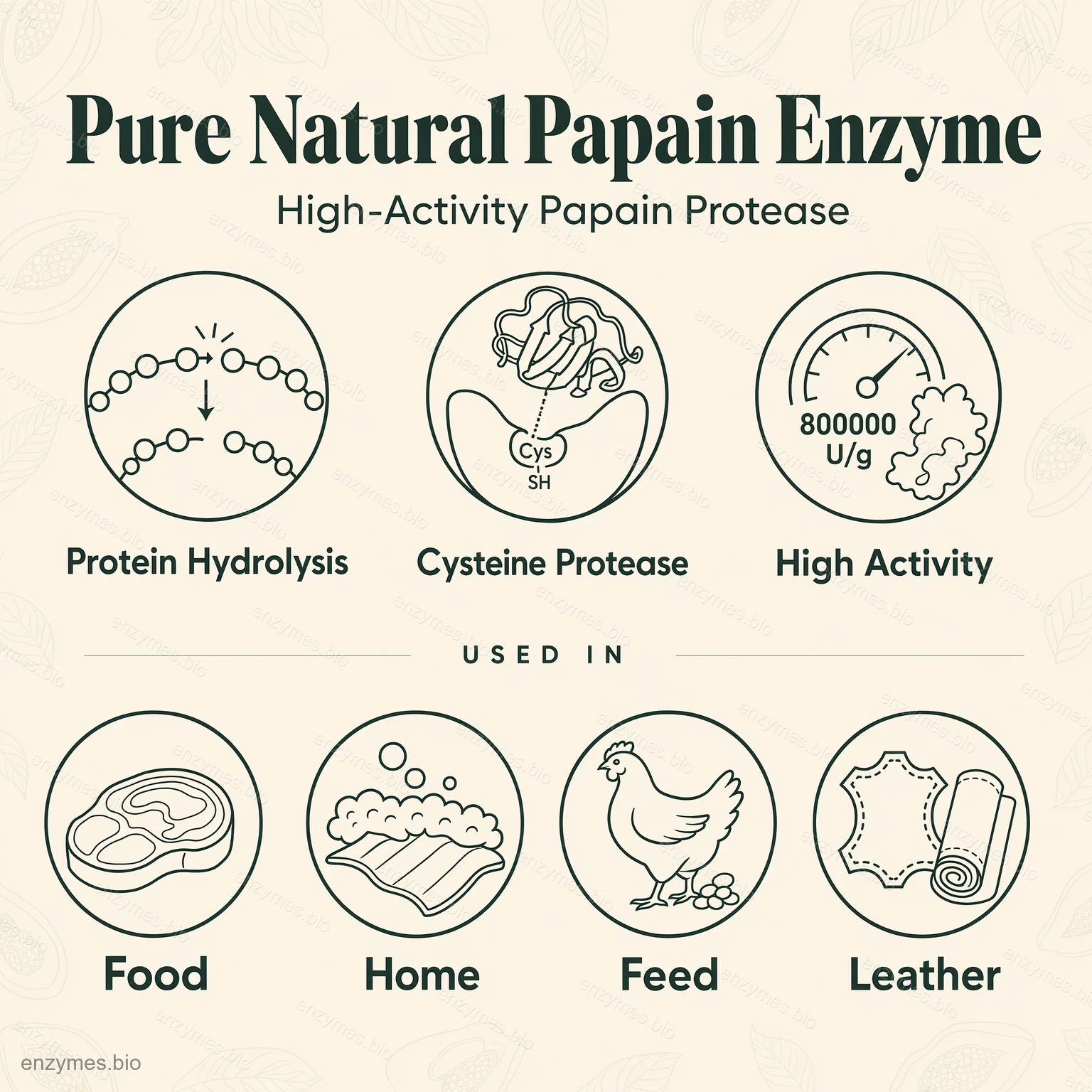
| Specification | 800000u/g |
| Shelf Life | 24 Months |
| Grade | Food Grade |
| MoQ | 1 kg / bag |
| Package | Bottle, Bag, Aluminum Foil Bag |
| Storage | Store in a cool and dry place, keep away from strong light and heat. |
Introduction
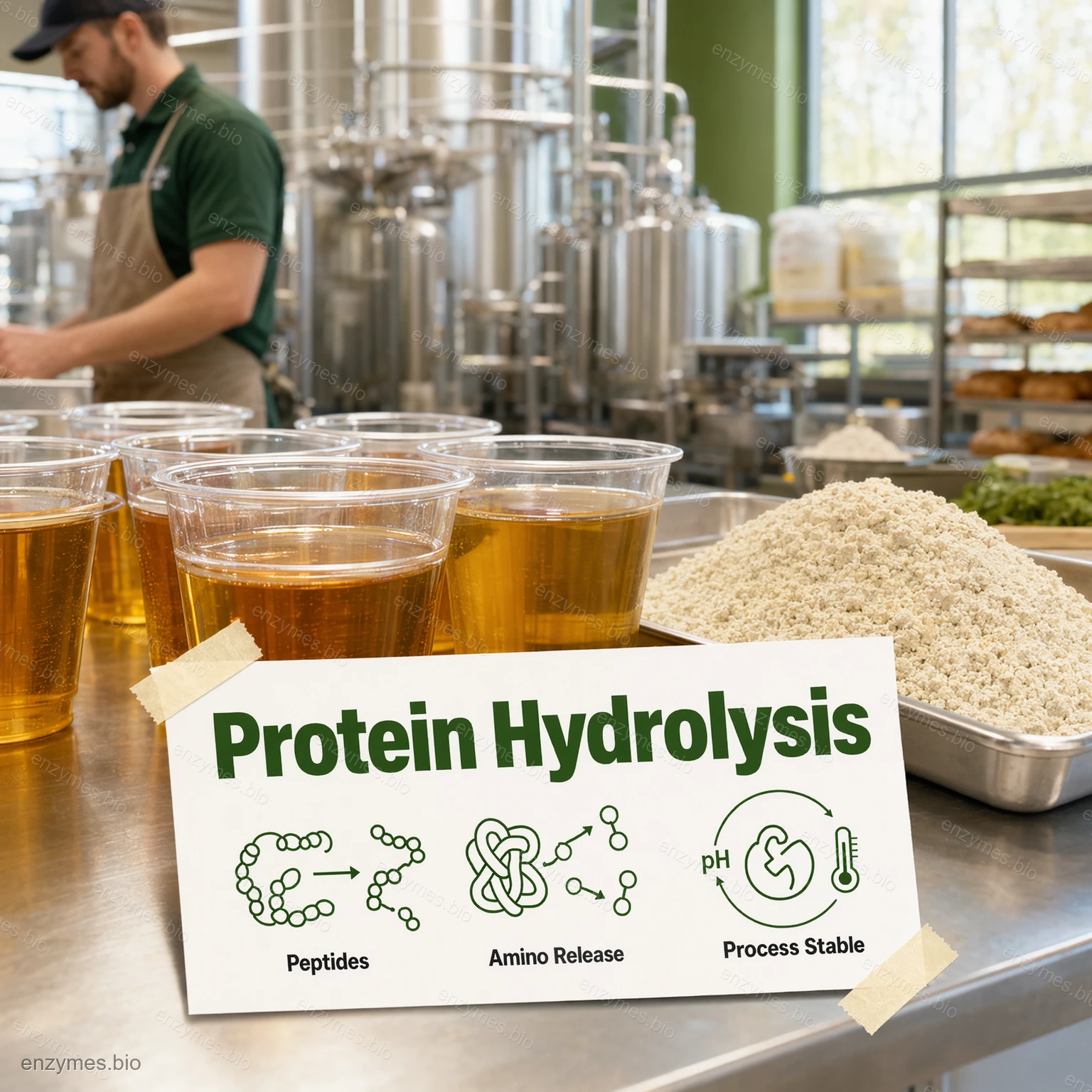
Papain is a proteolytic enzyme derived from the papaya fruit. It has various applications across several industries due to its ability to hydrolyze proteins.
Function
Papain is a versatile proteolytic enzyme used across food processing, textile, leather, and cosmetic manufacturing industries.
Papain is applied for hydrolyzing animal and plant proteins, making tenderizer, and hydrolyzing placenta.
Papain can be included in protein and grease cosmetic products to whiten and smooth skin, and lighten freckles.
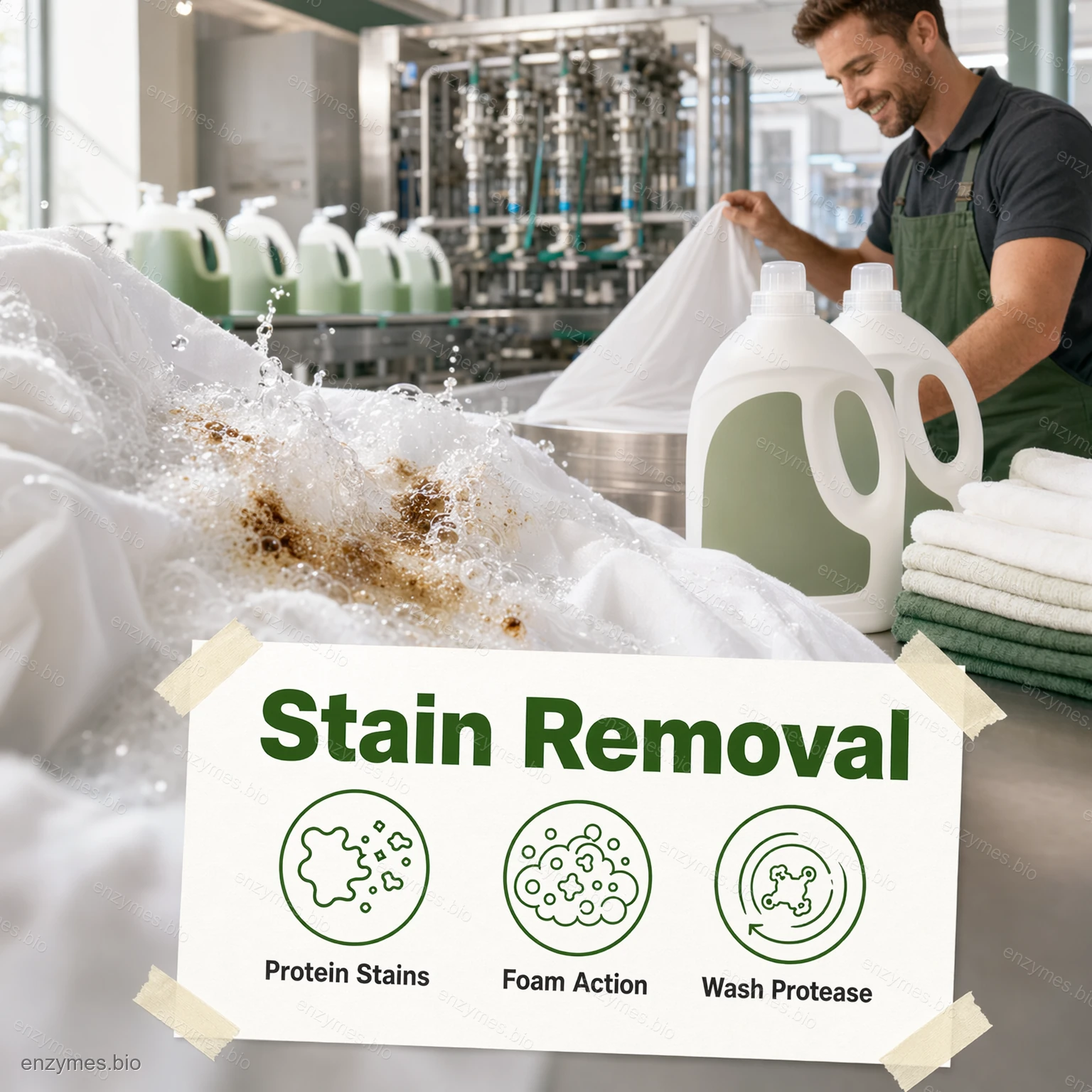
Papain is used in soap, washing agents, detergents, and hand soap.
Papain can eliminate dirt, grease, bacteria, and is safe to use.
Application
- Enzyme Ingredient for Manufacturing: Papain is used as a base enzyme ingredient in manufacturing and formulation. Available in multiple activity grades for precise formulation requirements including multi-enzyme blends, protein hydrolysate production, and processing aid applications.
- Food Industry: By using enzymatic reactions, papain can hydrolyze food macromolecules into small molecular peptides or amino acids, effectively transforming protein and improving food nutrition value.
- Beauty and Cosmetics Industry: Adding papain to cosmetics containing protein, oils, and fats can whiten skin, beautify, provide remove spots, improve metabolism, and enhance skin.
- Daily Cosmetic Products: Papain can be used in fancy soap, soap, detergent, washing powder, and more to remove stains efficiently, disinfect, and sterilize.
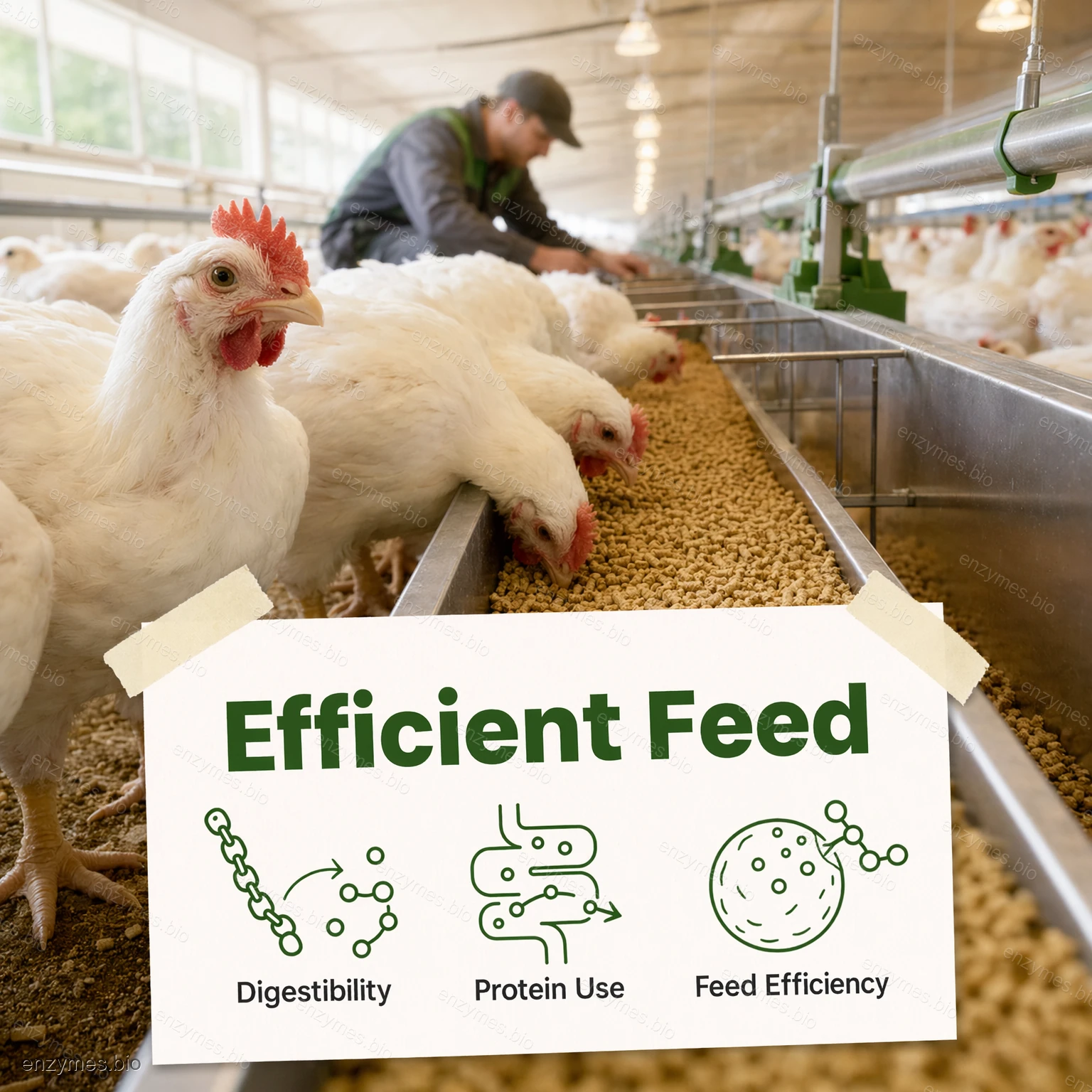
- Feed Industry: Papain can be used as feed additives to develop protein sources, increase feed utilization rate, aid in digestion, and promote animal growth.
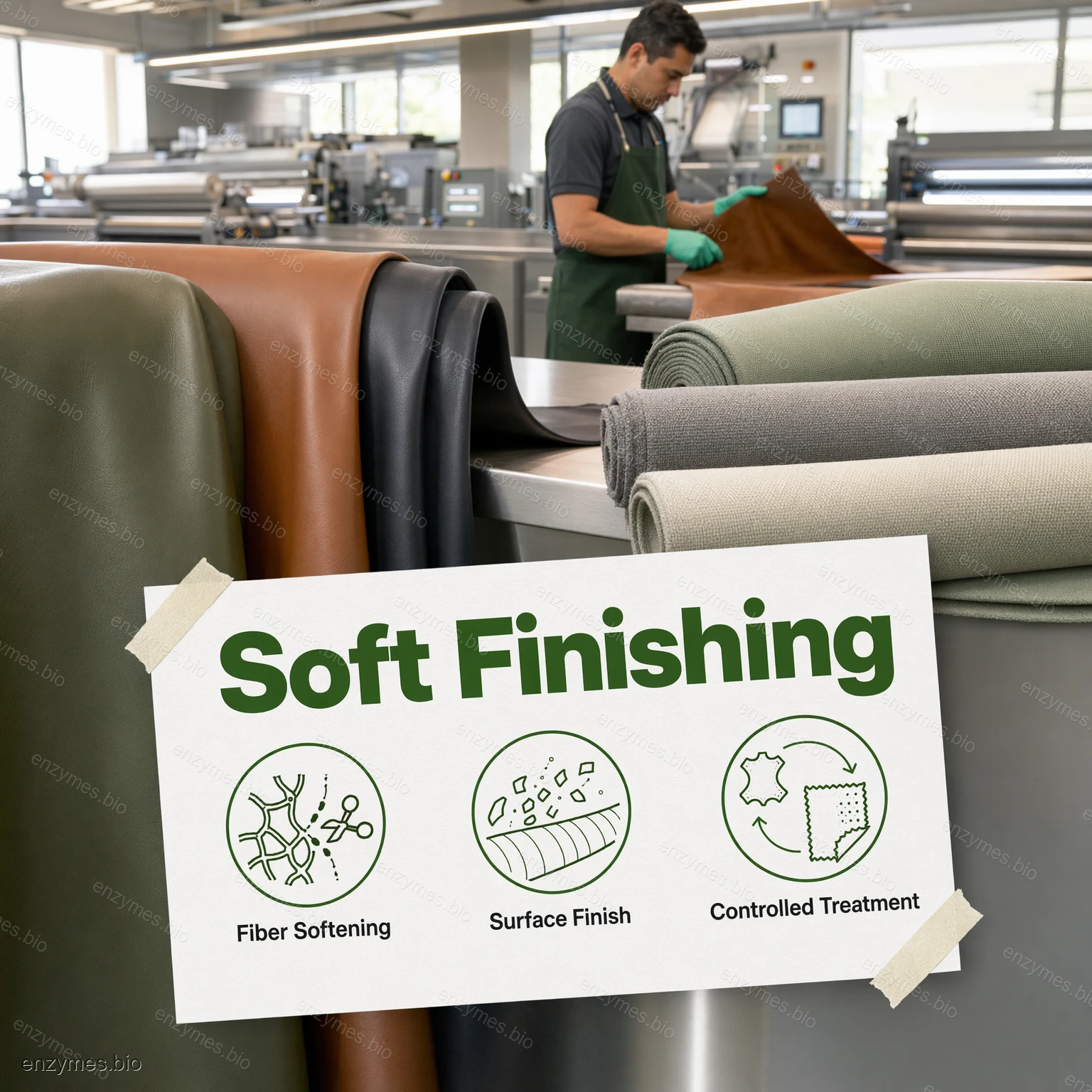
- Leather Industry: Papain can be used to make depilating agents and tan leather. In the textile industry, it can be used to treat wool and silk, providing softness, comfort, and resistance to contraction.
- Cell Culture: Papain is used in preparing cell cultures to separate cells and aid in tissue mass hydrolysis.
- Laboratory Research: In laboratory applications, papain can be used to cut open protein fragment Fc and Fab footages.
Mechanism
Papain works by breaking down peptide bonds in proteins, facilitating various biological processes and applications.
Characteristics
Papain is stable under a range of pH levels and temperatures, which makes it versatile for different applications.
Product Standard
The product meets the required standards for food and industrial applications, ensuring safety and efficacy.
Specifications
Available specifications include enzymatic activity of 800000u/g, suitable for various industrial uses.
Application Rate
Application Rate varies based on the application, but should be determined according to specific industry guidelines.
Safe Handling Precautions
Handle papain with care, using appropriate safety equipment to avoid skin and respiratory irritation.
Package and Storage
Package: 1 kg / bag.
Storage: Store in a cool and dry place, away from strong light and heat.
Safety
Papain is generally regarded as safe when used as directed, but it is advisable to consult safety data sheets for specific handling guidelines.