Neutralt proteaseenzym til alkoholindustriens enzymer.Bio Prn50
Indledning
Den neutrale protease fremstilles ved neddykket fermentering af Bacillus subtilis efterfulgt af oprensning og formulering. Produktet har været meget brugt i alkoholgæring til at nedbryde proteiner i råvarer.
Definition af enhed
1 enhed Neutral Protease svarer til mængden af enzym, som hydrolyserer kasein for at få 1μg tyrosin ved 30 ℃ og pH 7,5 på 1 min.
Karakteristika
| Erklæret aktivitet | 50.000 u/g |
| Produktionsorganisme | Bacillus subtilis |
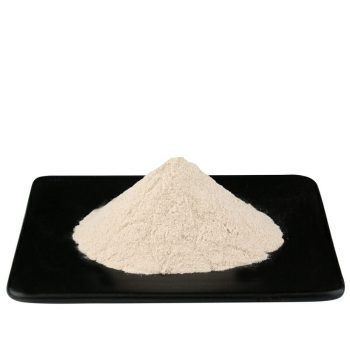
| Fysisk form | Pulver |
| Farve | Snus farve, farve kan variere fra batch til batch. Farveintensitet er ikke en indikation af enzymaktivitet. |
| Lugt | Normal mikrobiel gæringslugt. |
Specifikationer
| Ingen. | genstande | Indeks | |
| 1 | Partikelstørrelse (%<40 mesh) | ≥80 | |
| 2 | Tab ved tørring/(%) | ≤8,0 | |
| 3 | Bly/(mg/kg) | ≤5,0 | |
| 4 | Arsen/(mg/kg) | ≤3,0 | |
| 5 | Samlet antal levedygtige/(CFU/g) | ≤50.000 | |
| 6 | Coliforme bakterier/(CFU/g) | ≤30 | |
| 7 | Escherichia coli | (CFU/g) | <10 |
| (MPN/g) | ≤3,0 | ||
| 8 | Salmonella/(25g) | Ikke fundet |
Anvendelseshastighed
Den anbefalede anvendelsesmængde er 0,05-3 kg enzympræparat pr. ton samlede råmaterialer. Den optimale anvendelsesmængde afhænger dog af anvendelseskriterierne, de anvendte procesparametre og de ønskede egenskaber i det udviklede hydrolysat.
Pakke
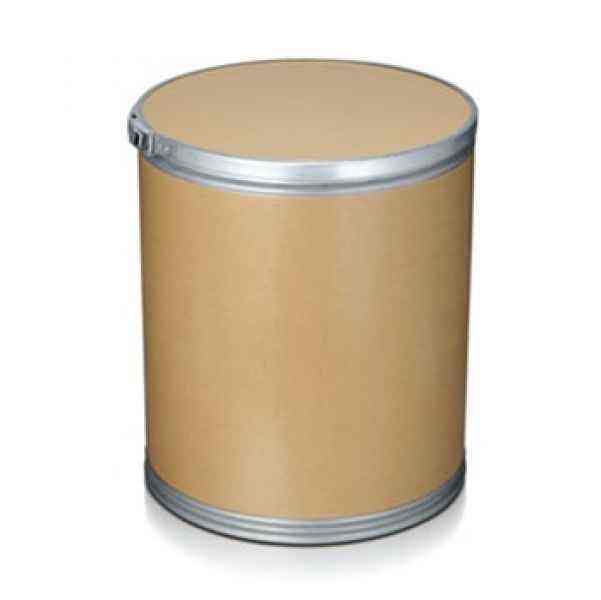
Emballagespecifikation: 1 kg/pose.
Opbevaring
Når det opbevares som anbefalet, anvendes produktet bedst inden for 12 måneder fra leveringsdatoen.
Opbevaring på kundens lager: 0-15 ℃.
Dette produkt skal opbevares køligt og tørt i en lukket beholder, hvor det undgås sollys, høje temperaturer og fugt. Produktet er formuleret til optimal stabilitet. Længerevarende opbevaring eller ugunstige forhold såsom højere temperatur eller højere luftfugtighed kan føre til et højere behov for påføringsmængde.
Sikkerhed
Enzympræparater er proteiner, som kan fremkalde sensibilisering og forårsage allergiske reaktioner hos sensibiliserede personer. Langvarig kontakt kan forårsage mindre irritation af hud, øjne eller næseslimhinde, så enhver direkte hudkontakt bør undgås. Hvis der opstår irritation eller allergisk reaktion på hud eller øjne, skal du kontakte en læge.