
Προμηθευτής ενζύμων λιπάσης χύμα
Πώς λειτουργεί η λιπάση
Υδρολύει τα τριγλυκερίδια
Η λιπάση δρα στη διεπιφάνεια λιπιδίων-νερού για να διασπάσει τους εστερικούς δεσμούς στα λίπη και τα έλαια, απελευθερώνοντας ελεύθερα λιπαρά οξέα. Οι ειδικές λιπάσες Sn-1,3 στοχεύουν επιλεκτικά στις εξωτερικές θέσεις, παράγοντας μερικά γλυκερίδια χρήσιμα ως γαλακτωματοποιητές.
Δημιουργεί γαλακτωματοποιητές ζύμης
Στην αρτοποιία, η λιπάση μετατρέπει τα μη πολικά λιπίδια του αλεύρου σε πολικά λυσοφωσφολιπίδια που λειτουργούν ως φυσικοί γαλακτωματοποιητές, βελτιώνοντας τη σταθερότητα της ζύμης, τον όγκο του ψωμιού και την απαλότητα της ψίχας - αντικαθιστώντας τους χημικούς γαλακτωματοποιητές που προστίθενται.
Αφαιρεί τους λεκέδες λίπους
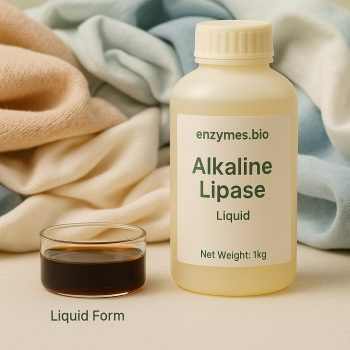
Η αλκαλική λιπάση στα απορρυπαντικά πλυντηρίου υδρολύει τους λιπαρούς λεκέδες με βάση τα τριγλυκερίδια (μαγειρικό λάδι, σμήγμα, βούτυρο) σε θερμοκρασίες πλύσης 30-60°C, επιτρέποντας τον αποτελεσματικό καθαρισμό σε χαμηλότερες θερμοκρασίες πλύσης.
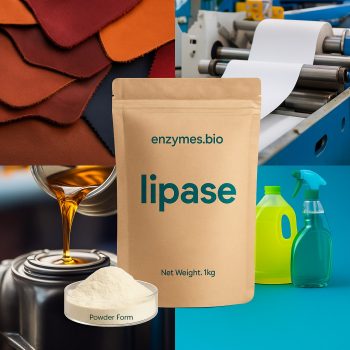
Εφαρμογές λιπάσης ανά βιομηχανία
Ψήσιμο
Παράγει λυσοφωσφολιπίδια από τα λιπίδια του αλεύρου, που δρουν ως φυσικοί γαλακτωματοποιητές. Βελτιώνει τη σταθερότητα της ζύμης, τη συγκράτηση αερίων και τον όγκο του καρβουνιού κατά 5-10%. Αντικαθιστά το DATEM και το SSL σε σκευάσματα καθαρής ετικέτας.
Γαλακτοκομικά
Επιταχύνει τη λιπόλυση κατά την ωρίμανση των τυριών, παράγοντας χαρακτηριστικά λιπαρά οξέα μικρής αλυσίδας (βουτυρικό, καπροϊκό, καπρυλικό) που αναπτύσσουν το γευστικό προφίλ των παλαιωμένων τυριών. Χρησιμοποιείται επίσης στην ανάπτυξη γεύσης βουτυρολαδιού.
Ζωοτροφές
Βελτιώνει την πεπτικότητα του λίπους και τη χρήση της ενέργειας στις δίαιτες πουλερικών και χοίρων, ιδίως για ζωοτροφές που περιέχουν κορεσμένα λίπη και ταλίπα. Αυξάνει τη γαλακτωματοποίηση των διαιτητικών λιπών στο λεπτό έντερο.
Απορρυπαντικά & καθαρισμός
Η αλκαλική λιπάση απομακρύνει ρύπους με βάση το λίπος (σμήγμα, μαγειρικό λάδι, λίπος) σε προϊόντα πλυντηρίου και βιομηχανικού καθαρισμού. Ενεργό σε pH 8-11, 30-60°C - συμβατό με τις περισσότερες συνθέσεις απορρυπαντικών.
Χαρτί και χαρτοπολτός
Ελέγχει τα λιπόφιλα εκχυλίσματα (πίσσα και stickies) στην επεξεργασία ανακυκλωμένων ινών και χαρτοπολτού κραφτ. Μειώνει το σχηματισμό εναποθέσεων στον εξοπλισμό της μηχανής χαρτιού και βελτιώνει τη λειτουργικότητα.
Εφαρμογές λιπάσης: Lipase: Λεπτομέρειες διαδικασίας, δοσολογία & παράμετροι
Επεξεργασία ψησίματος & αλεύρων
Ψήσιμο | Τροποποίηση λιπιδίων & δομή ψίχας
Λειτουργία: Η λιπάση υδρολύει τα λιπίδια του σιταριού σε λυσοφωσφολιπίδια και μονοακυλογλυκερόλες, οι οποίες δρουν ως φυσικοί γαλακτωματοποιητές - βελτιώνοντας τη σταθερότητα της ζύμης, τη συγκράτηση αερίων, τη δομή της ψίχας και τον όγκο. Αυτό αντικαθιστά ή μειώνει τους συνθετικούς γαλακτωματοποιητές (DATEM, SSL) σε σκευάσματα καθαρής ετικέτας. Η λιπάση αλληλεπιδρά συνεργιστικά με την ξυλανάση και την αμυλάση για συνολική βελτίωση της ζύμης.
Τυπική δοσολογία: 10-50 ppm με βάση το βάρος του αλεύρου- προσθήκη απευθείας στο αλεύρι ή στο στάδιο της ανάμιξης- ενεργό σε pH ζύμης 5-6
Εφαρμογές: Ψωμί για τηγάνι, ψωμί για σάντουιτς, μπριός, ψωμί για τοστ, βιομηχανικό μαλακό ψωμί με παρατεταμένη διάρκεια ζωής, αντικατάσταση γαλακτωματοποιητή καθαρής ετικέτας.
Σχετικός οδηγός: Ένζυμα ψησίματος - λιπάση, αμυλάση & ξυλανάση για γαλακτωματοποίηση ψωμιού →
Παραγωγή γαλακτοκομικών προϊόντων και τυριού
Γαλακτοκομικά | Ανάπτυξη γεύσεων & τροποποίηση λιπαρών
Λειτουργία: Η λιπάση απελευθερώνει ελεύθερα λιπαρά οξέα από το λίπος του γάλακτος, συμβάλλοντας στη χαρακτηριστική οξεία και πικάντικη γεύση στα τυριά ιταλικού τύπου (Romano, Parmesan, Provolone) και επιταχύνοντας την ωρίμανση στα παλαιωμένα τυριά. Οι λιπάσες προ-γαστρικής εστεράσης (PGE) από πηγές κατσίκας, αρνιού ή μοσχαριού παρέχουν αυθεντικές γεύσεις ιταλικών τυριών- οι μικροβιακές λιπάσες προσφέρουν εναλλακτικές λύσεις που είναι σύμφωνες με το GRAS.
Τυπική δοσολογία: 0,002-0,05% w/w- προσθήκη στο γάλα τυριού με πυτιά- θερμοκρασία και pH ανά τύπο τυριού- ο χρόνος παλαίωσης καθορίζει την ένταση της γεύσης
Εφαρμογές: Ανάπτυξη γεύσης ρομάνο και παρμεζάνας, λιπόλυση μπλε τυριού, παραγωγή τροποποιημένου με ένζυμα τυριού (EMC), ενίσχυση γεύσης βουτύρου.
Σχετικός οδηγός: Γαλακτοκομικά ένζυμα - λιπάση, χυμοσίνη και λακτάση για την επεξεργασία τυριών και γαλακτοκομικών προϊόντων →
Ζωοτροφές
Παραγωγή ζωοτροφών | Βελτίωση της πεπτικότητας του λίπους
Λειτουργία: Η εξωγενής λιπάση βελτιώνει την πεπτικότητα του λίπους σε νεαρά ζώα (χοιρίδια, κοτόπουλα κρεατοπαραγωγής) με ανώριμη έκκριση χολικών αλάτων και χαμηλή ενδογενή παραγωγή λιπάσης. Η συμπληρωματική λιπάση είναι ιδιαίτερα αποτελεσματική σε δίαιτες που περιέχουν δύσκολα αφομοιώσιμα λίπη (ταλίπαθο, φοινικέλαιο, πηγές κορεσμένων λιπαρών οξέων) με υψηλή περιεκτικότητα σε στεατικό ή παλμιτικό οξύ.
Τυπική δοσολογία: 100-500 U/g ζωοτροφών- θερμοσταθερές ποιότητες για πελλετοποίηση- η συν-συμπλήρωση με γαλακτωματοποιητές (λυσολεκιθίνη) ενισχύει την αποτελεσματικότητα σε υψηλή περιεκτικότητα σε λιπαρά
Εφαρμογές: Δίαιτες γουρουνιών, ζωοτροφές εκκίνησης/εκτροφής κρεατοπαραγωγών, αξιοποίηση λίπους σε δίαιτες με υψηλή περιεκτικότητα σε λιπαρά, βελτίωση της πεπτικότητας λιπαρών οξέων σε δίαιτες με λιπαρά.
Απορρυπαντικά & καθαρισμός
Σύνθεση απορρυπαντικού | Απομάκρυνση λεκέδων λίπους και λαδιού
Λειτουργία: Η αλκαλική λιπάση (βέλτιστο pH 8-11) είναι το τυπικό ένζυμο απομάκρυνσης του λίπους στα απορρυπαντικά πλυντηρίου ρούχων και πιάτων. Υδρολύει τους εστερικούς δεσμούς λιπαρών οξέων στα τριγλυκερίδια (μαγειρικό λάδι, βούτυρο, λίπος, σμήγμα), μετατρέποντας αδιάλυτους λιπαρούς λεκέδες σε υδατοδιαλυτά σαπούνια λιπαρών οξέων και γλυκερόλη. Οι λιπάσες ψυχρής δράσης λειτουργούν αποτελεσματικά στους 15-30°C, μειώνοντας το ενεργειακό κόστος.
Τυπική δοσολογία: 0,01-0,1% v/v σε υγρό απορρυπαντικό- 0,1-1,0% w/w σε σκόνη- pH διατύπωσης 8-11- συνδυασμός με πρωτεάση και αμυλάση
Εφαρμογές: Απορρυπαντικά πλυντηρίου ρούχων, αυτόματο πλύσιμο πιάτων, βιομηχανικός καθαρισμός κουζίνας, επεξεργασία λιποσυλλεκτών, καθαρισμός υφασμάτων.
Σχετικός οδηγός: Απορρυπαντικά ένζυμα - λιπάση, πρωτεάση & αμυλάση για τη σύνθεση πλυντηρίων →
Χαρτοπολτός & Χαρτί (Pitch Control)
Παραγωγή χαρτιού | Απομάκρυνση ρητίνης ξύλου (πίσσα)
Λειτουργία: Οι ρητίνες ξύλου (πίσσα) - κυρίως τριγλυκερίδια από εκχυλίσματα ξύλου - προκαλούν προβλήματα λειτουργικότητας της μηχανής χαρτιού (εναποθέσεις, τρύπες, οπές, σπασίματα) και ελαττώματα στην ποιότητα εκτύπωσης. Η λιπάση υδρολύει τα συστατικά τριγλυκεριδίων πίσσας στο υγρό άκρο του εργοστασίου χαρτοπολτού, μειώνοντας τις εναποθέσεις πίσσας κατά 60-80% και βελτιώνοντας την απόδοση της μηχανής χαρτιού χωρίς χημικά μέσα ελέγχου της πίσσας.
Τυπική δοσολογία: 0,01-0,05% w/w σε ξηρό πολτό, 40-50°C, pH 5-8, 30-90 λεπτά στο σεντούκι πολτού πριν από τη μηχανή χαρτιού.
Εφαρμογές: Μηχανικός έλεγχος της πίσσας του πολτού, μείωση της πίσσας των TMP και CTMP, βελτίωση της ποιότητας του χαρτιού εφημερίδων και του ιστού, μείωση των χημικών παραγόντων ελέγχου της πίσσας.
Προϊόντα λιπάσης διαθέσιμα τώρα
-
-
-
 Ένζυμα για ζωοτροφές
Ένζυμα ζωοτροφών Ζωοτροφών Ένζυμο λιπάσης ≥20.000u/g CAS 232-619-9
US$59.99 Αγορά -
 Ένζυμα για το ψήσιμο του ψωμιού
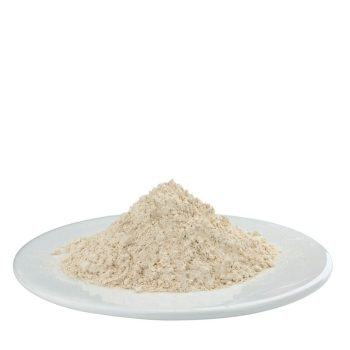
Lipase Enzyme Powder For Bakers – 120 000u/g – Lipase Enzyme for Bread Baking
US$177.99 Αγορά -
-
-
-
-
-
-
-
Γιατί να προμηθεύεστε λιπάση από την enzymes.bio;
Χαμηλό MOQ από 1 kg
Ευέλικτες ποσότητες παραγγελίας από δείγματα Ε&Α έως πλήρη παραγωγή. Κλιμάκωση όταν είστε έτοιμοι.
Προσαρμοσμένες προετοιμασίες
Η τεχνική μας ομάδα διαμορφώνει προσαρμοσμένα παρασκευάσματα ενζύμων που ανταποκρίνονται στις ακριβείς προδιαγραφές σας.
Παγκόσμια ναυτιλία
DHL, FedEx και USPS σε 180+ χώρες με πλήρη παρακολούθηση. Διαθέσιμη αποστολή με ψυχρή αλυσίδα.
Τεχνική υποστήριξη
Καθοδήγηση εφαρμογής από τους ειδικούς μας στα ένζυμα σχετικά με τη δοσολογία, τη σταθερότητα και τη σύνθεση.