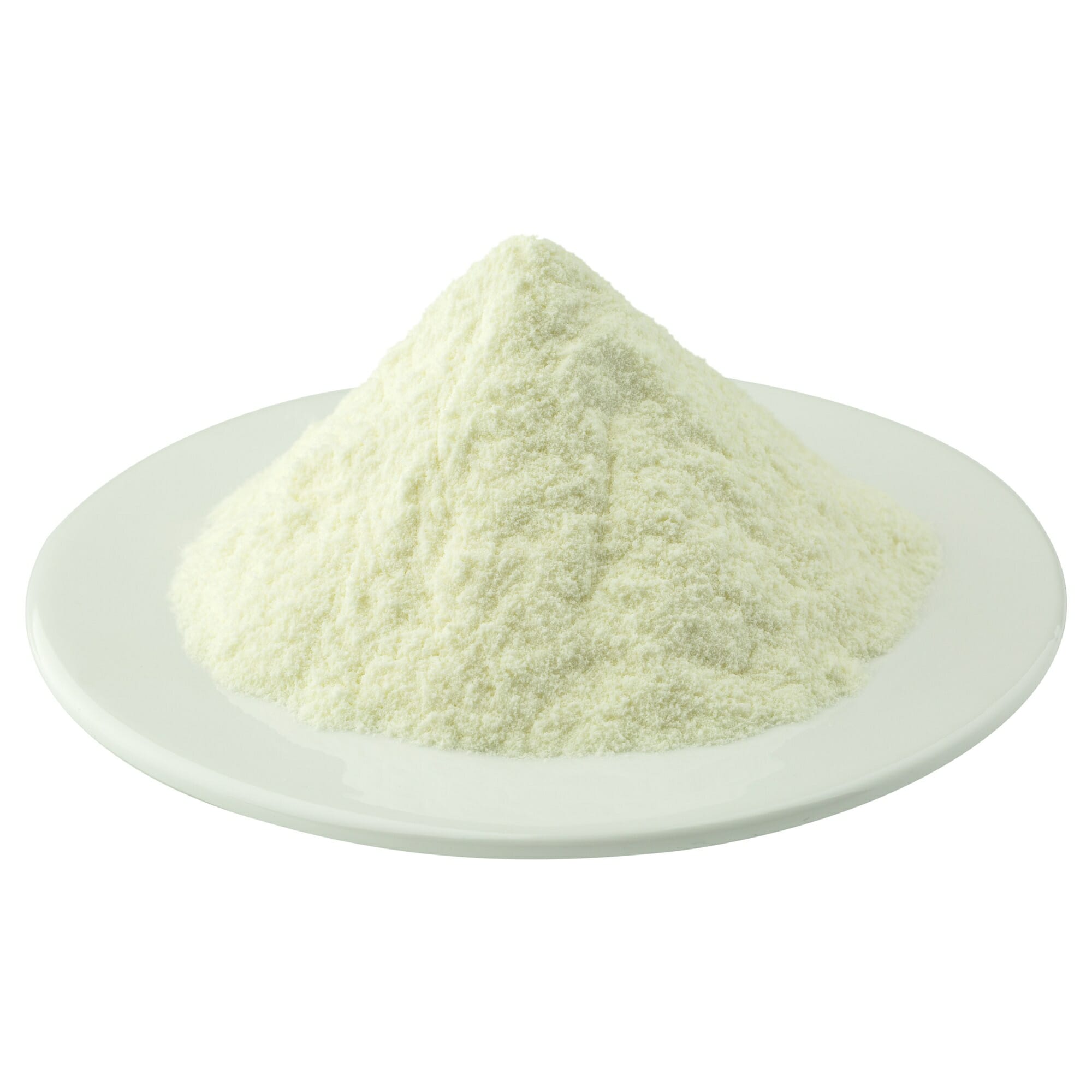
Glucose Oxidase
| Active Ingredient | Glucose Oxidase |
| CAS No. | 9001-37-0 |
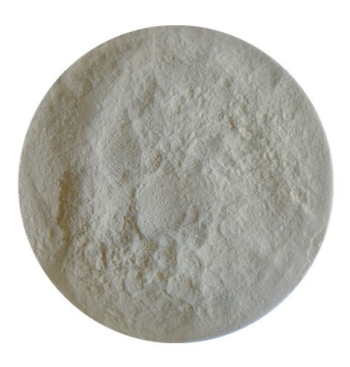
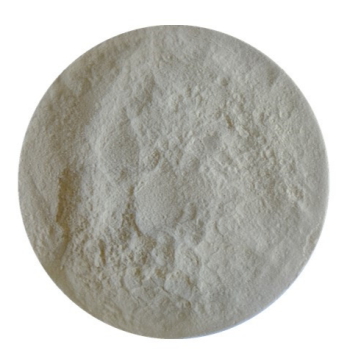
| Appearance | White Powder |
| Specification | 10000u/g |
| Shelf Life | 24 Months |
| Grade | Food & Industrial |
| MOQ | 1 kg / bag |
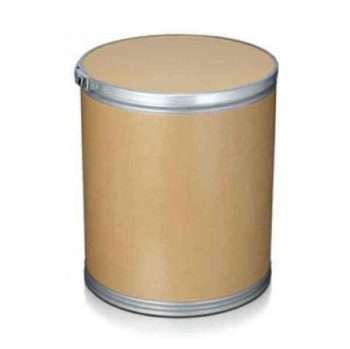
| Package | Bottle, Bag, Aluminum Foil Bag |
| Storage | Store in a cool and dry place, keep away from strong light and heat. |
Function
In the process of juice and vegetable, the recommended dosage is 0.3-1.0 kg pectase / ton dry raw material. The solution of raw material should be adjusted to the optimum range about the temperature and PH. Before adding this enzyme, the needed temperature and PH should be maintained during the processing of the enzyme.
Application
• Role of glucose oxidase in wheat flour: Glucose oxidase can convert glucose by the presence of oxygen and hydrogen peroxide, enhancing the strength of gluten, improving dough extension, and increasing the volume of bread. In the production of noodles, glucose oxidase creates a good protein network structure, increasing the strength of the noodles.
• Analytical applications: An analytical reagent for glucose quantification in laboratory settings.
• Role of glucose oxidase in the preservation of animal products: Preservation of precious products, non-toxic and no residue, enhancing the taste of freshness.
• Role of glucose oxidase in animal feed manufacturing: Used as a feed additive in poultry and livestock feed production. Helps optimize feed formulation by catalyzing glucose oxidation, contributing to feed preservation and quality.
Feed & Aquaculture Applications
Glucose oxidase is used as a feed additive in poultry and aquaculture feed manufacturing. It catalyzes the oxidation of glucose to gluconic acid and hydrogen peroxide, which acts as a natural preservative in feed formulations.